How to Improve Greenhouse Crop Yield, Quality and Resource Efficiency
Short answer: measure marketable yield, not just total yield. Find the one factor limiting your crop — water, root zone, climate, light, pollination or nutrition — using lab tests and records, change one thing at a time in a documented trial, and compare cost per marketable kilogram before and after. This applies to any crop, not only tomatoes.
This guide gives general methods, not crop-specific doses or yield promises. Confirm targets for your crop, cultivar and system with a local agronomist or extension service. Water and root-zone guidance is drawn from Penn State, Purdue and Michigan State extension publications listed below.
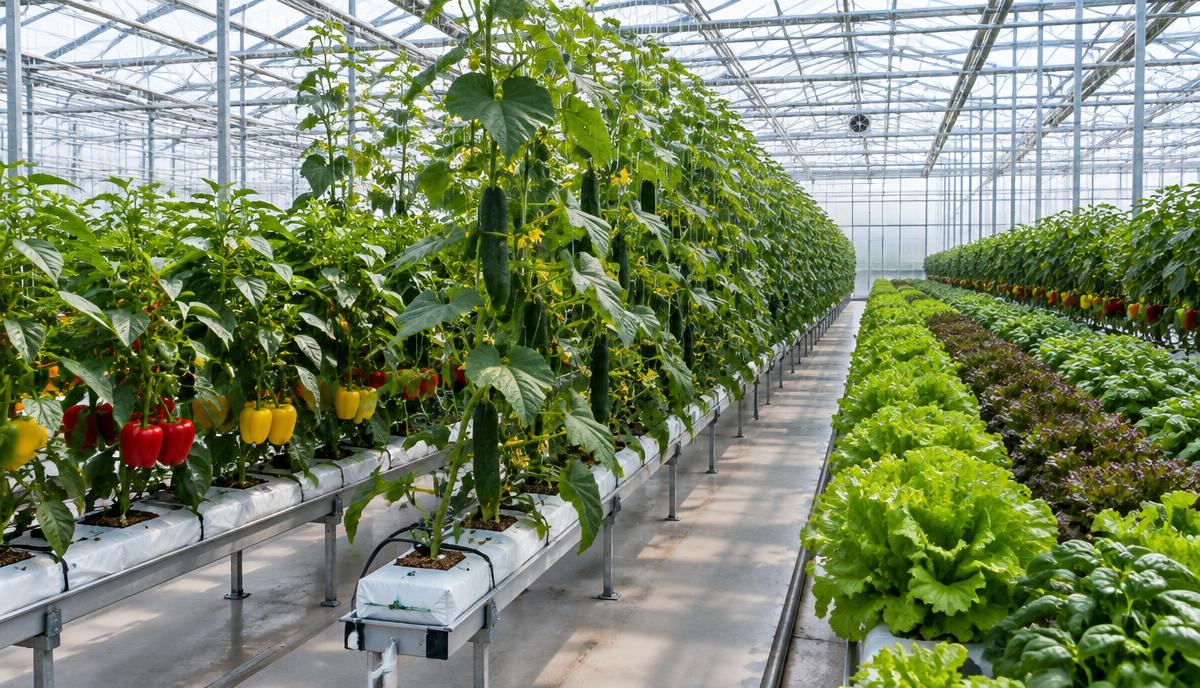
What is the difference between total yield and marketable yield?
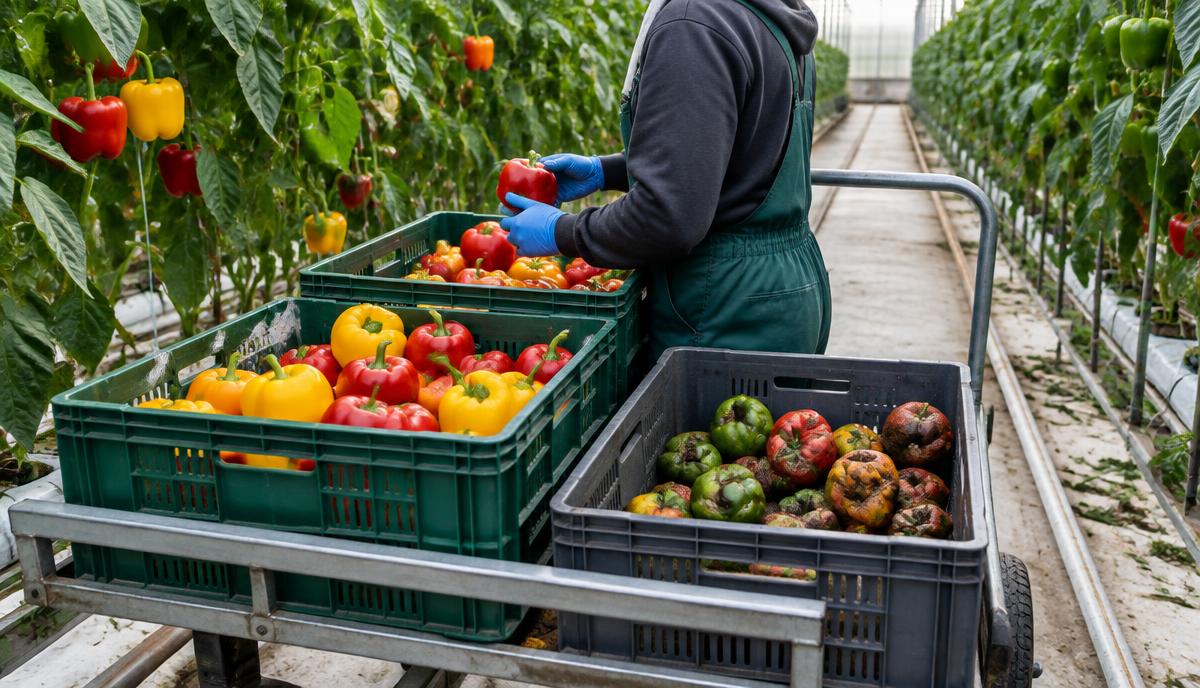
Total yield is everything harvested. Marketable yield is the part that meets your buyer's grade, size, shape and shelf-life requirements. The difference — culls or rejects — has already used water, fertilizer, energy and labour.
Track yield per square metre and per plant, the share that is marketable, and the reasons for rejection (size, cracking, colour, disease marks, misshapen fruit or leaves). A crop with slightly lower total yield but a higher marketable share can earn more.
- Record weight harvested and weight sold or graded first-class each pick.
- Log reject reasons with a simple code list so causes can be counted.
- Express costs per marketable kg, not per total kg.
How do you find the factor that limits your yield?
Yield is limited by whichever resource is shortest. Raising a factor that is not limiting rarely helps and can waste inputs. Start from records — climate logs, irrigation and drain volumes, water and substrate or soil tests, and harvest data — and look for when and where the crop underperforms.
Which data should be checked first?
Water source analysis, root-zone pH and EC trends, day and night temperature, humidity, light levels and the harvest/reject log for the same period.
How do you run a documented trial?
Change one variable in a defined area, keep a comparable control area, record dates, settings and results, and repeat over enough harvests to separate the effect from normal variation. Write down the decision you will make for each possible result before you start.
How should irrigation, drainage and water quality be managed?
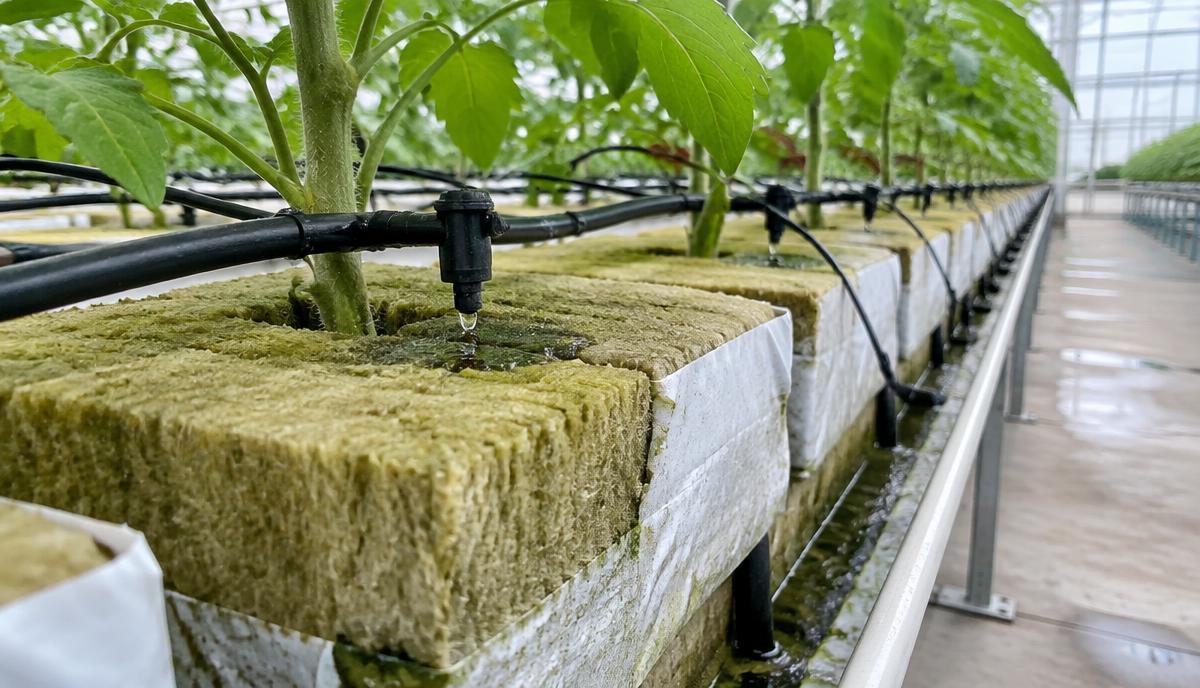
Penn State Extension recommends a complete laboratory water analysis before starting production and periodically afterwards, with regular on-site checks of pH, alkalinity, hardness and EC. Water quality matters most in small root volumes and soilless systems, where irrigation is the only water source.
In substrate systems, measure the volume and EC of drain water against what was supplied; drain share and drain EC show whether the root zone is under- or over-watered or accumulating salts. In soil, check moisture at root depth rather than relying on surface appearance.
What pH and EC should be targeted?
It depends on the crop, growth stage, substrate and water. Purdue Extension notes most nutrients are readily available around pH 5.4–6.2 in soilless substrates, but each species has its own optimal range. Obtain the range for your crop and cultivar from your seed company, agronomist or extension service.
How do temperature, humidity, ventilation and light affect yield and quality?
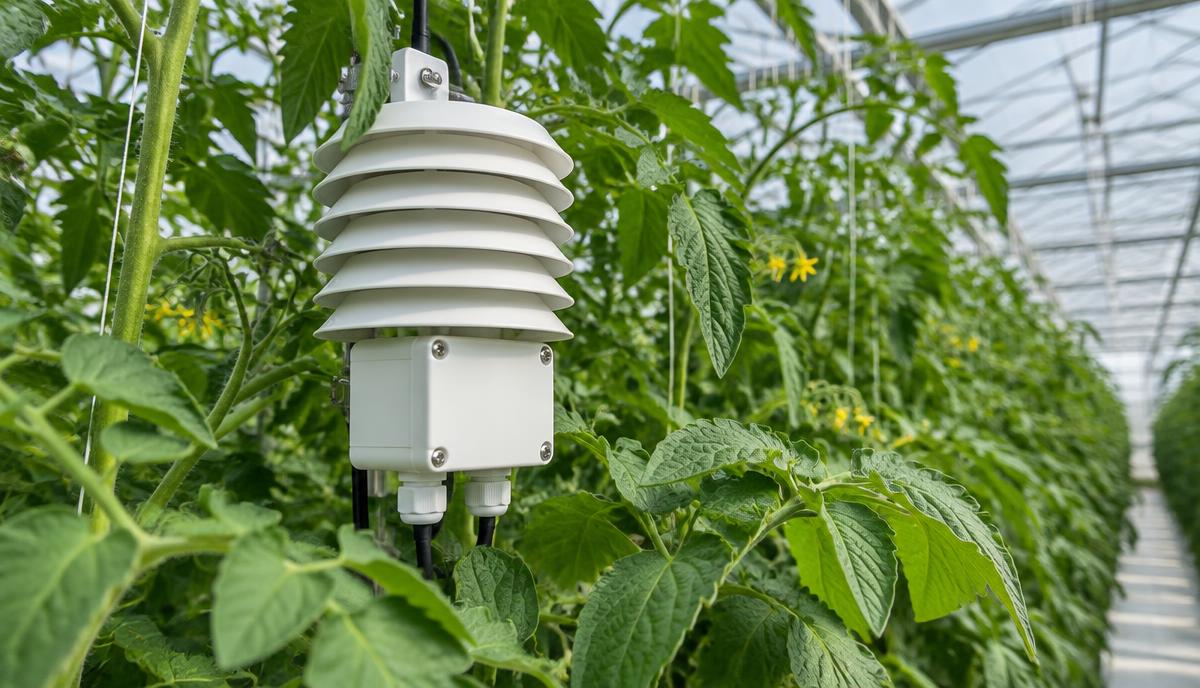
Place calibrated, shaded and aspirated sensors at crop height to log temperature and humidity. Compare day/night temperatures and humidity against the crop's requirements: prolonged high humidity raises disease risk, while very dry air and heat stress can affect fruit set and quality.
Ventilation removes heat and moisture and refreshes CO₂. Light is often the limiting factor in winter or under dirty or ageing covers — clean or replace covering material before investing in other inputs.
Why do pollination and timing matter?
Many fruiting crops depend on pollination by insects, vibration or wind, and pollination is sensitive to temperature and humidity. Planting date, crop scheduling and harvest timing also determine whether your product reaches the market when prices and demand fit your plan.
How should fertilization be based on testing?
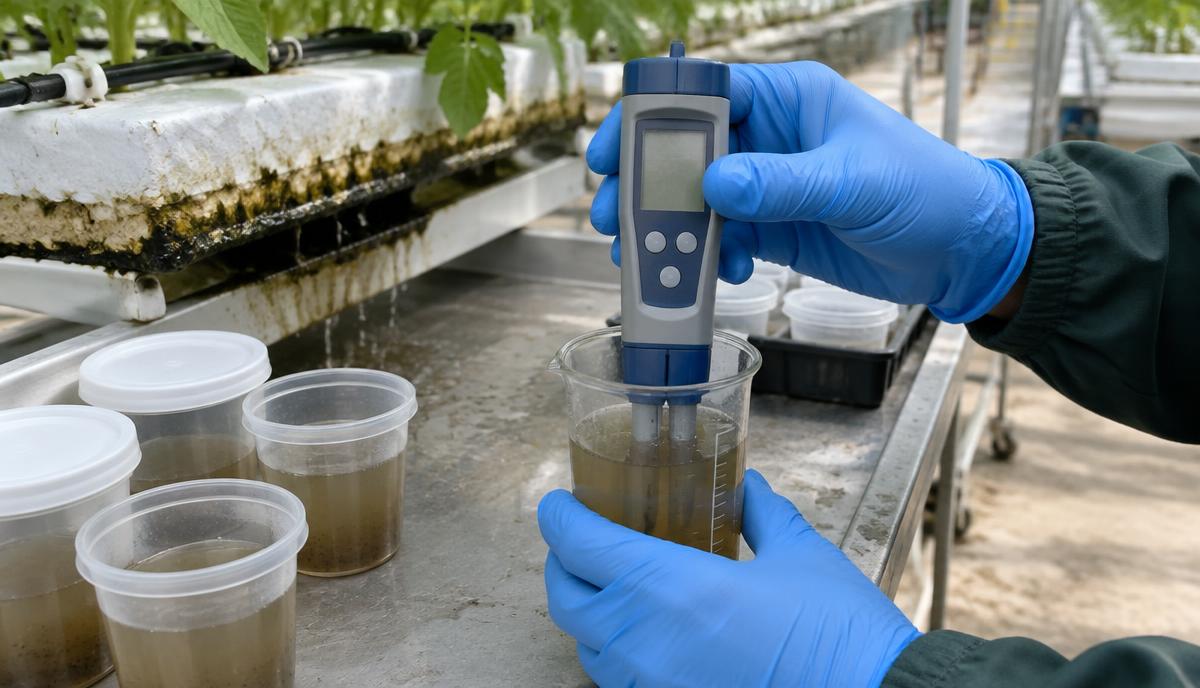
Base fertilizer programmes on water analysis, substrate or soil tests and, where useful, plant tissue analysis — not on generic doses. Water alkalinity and existing nutrients in the source water change what needs to be added.
Repeat tests at regular intervals and after changing water source, substrate or fertilizer. Keep results in one record so trends become visible over time.
How do greenhouses, tunnels, substrate and soil systems differ?
Glass or rigid-cover greenhouses allow the most climate control; plastic tunnels and high tunnels are cheaper but rely more on passive ventilation and outside weather. Substrate (soilless) systems give tight control of water and nutrition but small buffers, so mistakes appear quickly. Soil systems have more buffering but need soil testing and attention to soil-borne disease and salinity.
Methods and monitoring frequency should match the system: what works in a heated glasshouse on stone wool may not transfer to an unheated tunnel in soil.
How can pests and diseases be prevented?
Prevention is the most cost-effective approach: clean starting material, hygiene between crops, screening of vents, humidity control, regular scouting and record-keeping. Integrated pest management programmes help decide when action is needed.
This guide does not diagnose problems from photos or recommend specific pesticides. If you see symptoms, take samples to a plant diagnostic laboratory or consult a licensed agronomist, and use only products registered for your crop and country.
Marketable yield and cost-per-kilogram scenario calculator
Enter your own figures for two scenarios — for example current practice and a planned change. Fields start empty; nothing is assumed for your crop, prices or costs.
| Scenario A | Scenario B | B minus A | |
|---|---|---|---|
| Plants | — | — | — |
| Total yield (kg) | — | — | — |
| Marketable yield (kg) | — | — | — |
| Rejects / culls (kg) | — | — | — |
| Revenue | — | — | — |
| Cost per total kg | — | — | — |
| Cost per marketable kg | — | — | — |
| Revenue minus cost | — | — | — |
Which formulas does the calculator use?
- Plants = plant count, or area (m²) × density (plants/m²)
- Total yield (kg) = plants × yield per plant (kg)
- Marketable yield (kg) = total yield × marketable share ÷ 100
- Rejects (kg) = total yield − marketable yield
- Revenue = marketable yield × price per kg
- Cost per marketable kg = total cost ÷ marketable yield
Assumptions: one period (crop cycle or year) per scenario; cost includes whatever you choose to enter; rejects earn nothing; currency is whatever you use. Results are only as accurate as your inputs and are not a forecast or guarantee.
Frequently asked questions
Is this guide only for tomato growers?
No. The methods — marketable-yield tracking, finding the limiting factor, water and root-zone testing, climate monitoring and documented trials — apply to fruiting vegetables, leafy greens, berries, herbs and ornamentals. Targets differ by crop.
Why not give standard fertilizer doses or pH/EC targets?
Correct values depend on crop, cultivar, growth stage, substrate or soil, water analysis and climate. A generic number can cause damage. Use test results and crop-specific advice from your agronomist or extension service.
Can SeedMatchGroup diagnose a disease from a photo?
No. Send samples to a plant diagnostic laboratory or consult a licensed agronomist, and use only products registered for your crop and country.
Does following this guide guarantee higher yield?
No. It describes a measurement and trial method. Results depend on your crop, site, climate, management and market.
Related tools and guides
Sources
- Penn State Extension — A Water Quality Toolkit for Greenhouse and Nursery Production
- Penn State Extension — Interpreting Irrigation Water Tests
- Penn State Extension — Is Irrigation Water Quality Causing Yield Reductions?
- Penn State Agricultural Analytical Services Lab — Irrigation Water for Nurseries and Greenhouses
- Purdue Extension HO-237 — pH and EC Measurements in Soilless Substrates
- Michigan State University — Media pH, EC & Water Quality (Basics of Monitoring)
Planning a project after defining your needs?
Once you know which system change your operation needs, you can describe it in one project request. Our team reviews it and may approach suitable independent suppliers. Optional; projects from USD 250,000.
Prepare a project request