
Drone Pilot Training, Certification & Regulatory Compliance
Well-specified drone RFQs treat pilot training and regulatory compliance as line items, not marketing. Aircraft that cannot legally fly, be spray-registered or be imported is a stranded asset — training and paperwork protect the CAPEX.
How long does agricultural drone pilot training typically take?
A commercial spray-drone pilot pathway usually runs 1–3 weeks combining aviation licence, manufacturer academy and in-field practical hours. Recurrent checks are shorter. Yes for most jurisdictions. Manufacturer partners and independent academies field instructors globally; the RFQ captures the destination country so training routes are practical, not theoretical.
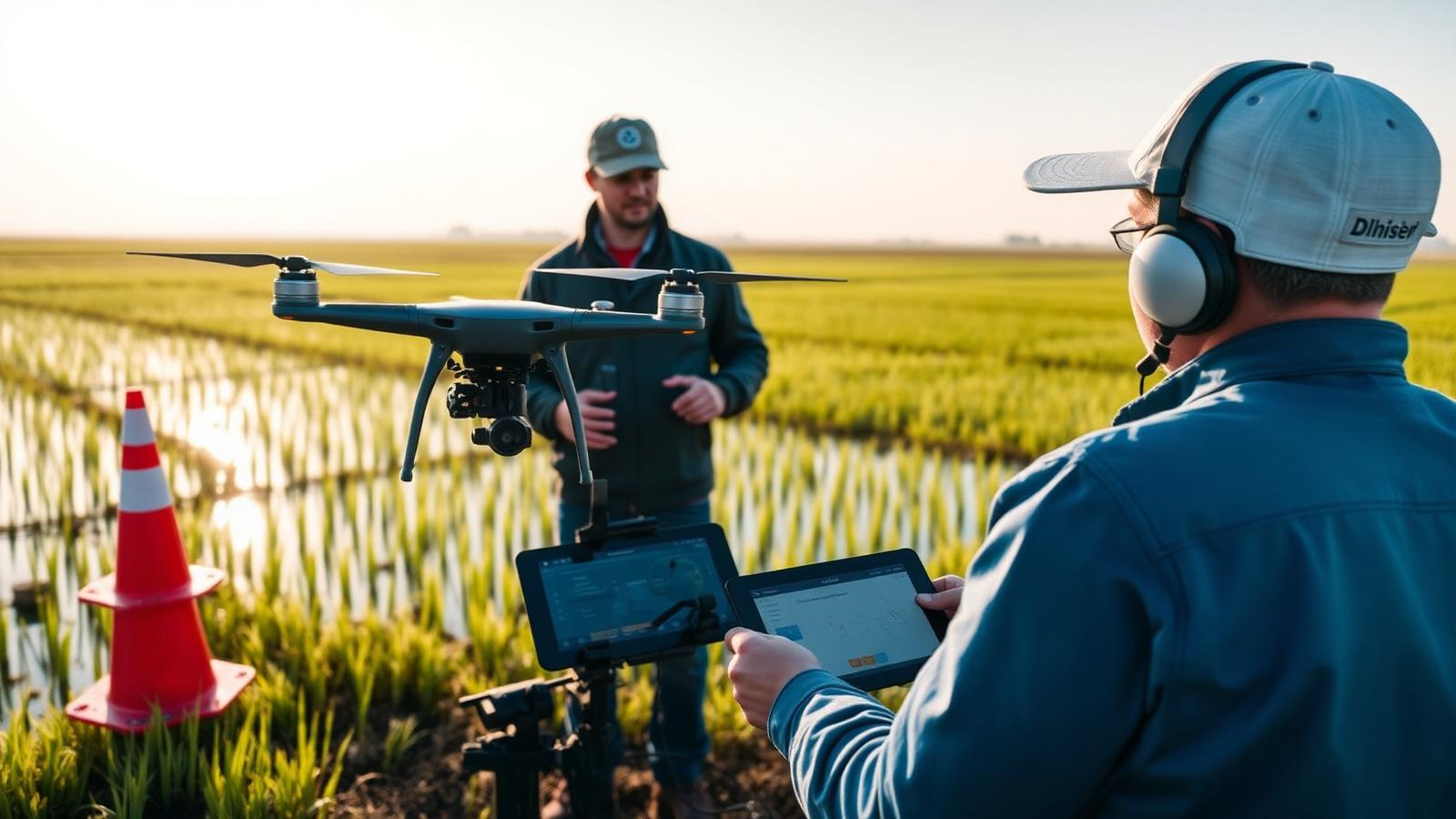
What a well-specified programme includes
Operator, remote-pilot and spray-drone endorsements per the destination jurisdiction — with in-country instructor delivery where the training must be local.
Spray-drone operators typically require agricultural chemical certification in addition to the aviation licence — the RFQ specifies both.
Airworthiness, type-acceptance and import documentation packaged with the aircraft, not chased after delivery.
Recurrent checks, software refreshers and payload-specific SOPs — captured in the after-sales SLA.
Typical specification
| Regulators covered | EASA, FAA Part 137, ANAC, DGCA, CAAC + African / MENA / ASEAN authorities |
|---|---|
| Training modes | In-country / manufacturer academy / online + practical |
| Certifications bundled | Pilot licence + spray-drone endorsement + chemical handling |
| Documentation | Import, type-acceptance, insurance-ready flight logs |
Frequently asked questions
How long does agricultural drone pilot training typically take?
A commercial spray-drone pilot pathway usually runs 1–3 weeks combining aviation licence, manufacturer academy and in-field practical hours. Recurrent checks are shorter.
Can training be delivered in-country?
Yes for most jurisdictions. Manufacturer partners and independent academies field instructors globally; the RFQ captures the destination country so training routes are practical, not theoretical.
What about insurance and flight-log auditability?
A well-specified programme delivers exportable, tamper-evident flight logs — a requirement for hull-and-liability insurance, chemical-application audit trails and financier reporting on leased aircraft.
Other agricultural drone use cases
Specify a commercial vineyard and orchard spraying drone programme: 30–70 L payloads, RTK autonomy and terrain following. Vendor-neutral RFQ.
Specify a seeding drone programme for cover crops, over-seeding and granular top-dressing. Vendor-neutral RFQ across leading spreading payloads.
Fixed-wing and multirotor mapping drones for NDVI, multispectral, elevation and drainage surveys. Vendor-neutral RFQ to qualified global platforms.
Thermal-camera drone programmes for orchards, vineyards and irrigated crops: irrigation stress, frost risk and pest hotspots. Vendor-neutral RFQ.
Specify a multi-drone fleet with docking stations, battery-swap logistics and BVLOS-ready autonomy for large estates. Vendor-neutral RFQ.
Pilot training & compliance — regulations by destination country
Before the fleet is specified, confirm the destination country's registration, pilot licensing, BVLOS and spray-drone approval route.
Specify the pilot training & compliance programme.
Share destination country, scale and job list. A SeedMatchGroup advisor returns a line-item comparable shortlist across independent global drone manufacturers.