
Commercial Greenhouse Prices: Cost per m², per Hectare and What Drives the Quote
A commercial greenhouse can cost anywhere from USD 25/m² for a basic polytunnel to USD 600/m² for a semi-closed high-tech structure. This guide sets out SeedMatchGroup indicative planning ranges by structure type, per m² and per hectare, explains the main cost drivers and site-works uplift, and shows how to turn a planning estimate into a comparable supplier quote.
How much does a commercial greenhouse cost per square metre?
As a SeedMatchGroup indicative planning range: roughly USD 25–50/m² for a single-span polytunnel, USD 50–120/m² for a mid-tech multi-span polyhouse, USD 150–350/m² for Venlo glass, and USD 300–600/m² for a semi-closed high-tech structure, before site works and financing. These are not supplier quotes.
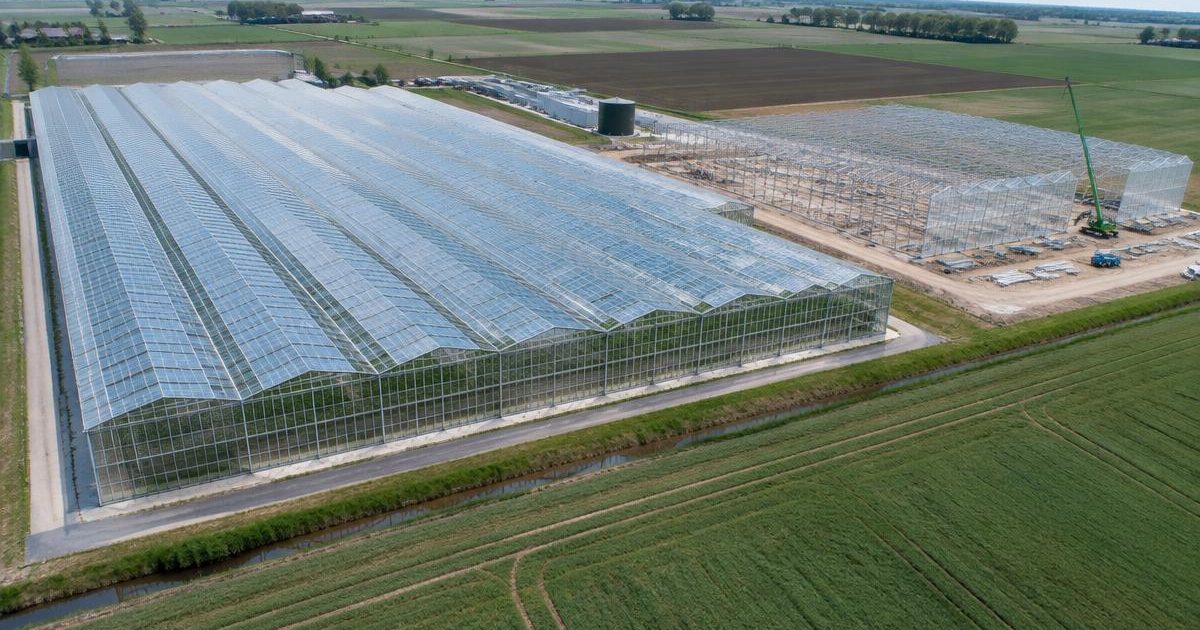
Key takeaways
- Price table: cost per hectare and per m² by structure type: The ranges below are the planning bands used throughout this guide.
- Why the range is so wide: what actually drives the quote: The single biggest driver of price is structure type and technology tier, which is why the table above is organised around it rather than around crop or country.
- Site works and financing: the uplifts that sit outside the structure price: Two further cost layers sit outside the structure-and-equipment ranges in the table and are easy to omit from an early budget by mistake.
- Where the money goes: component cost shares: Within the installed hardware and erection cost, the main sub-systems contribute roughly the following shares, again as SeedMatchGroup indicative planning ranges rather than a single supplier's bill of materials:
- Use the calculator: The ranges above are deliberately broad because they have to cover many structure types, countries and climates at once.
A commercial greenhouse typically costs between USD 25 and USD 600 per square metre of covered area, or roughly USD 250,000 to USD 6,000,000 per hectare, depending almost entirely on the structure type and technology level chosen. A single-span polytunnel with natural ventilation sits at the low end; a semi-closed, high-tech Venlo-style glasshouse with full climate control and supplemental lighting sits at the high end. These figures are SeedMatchGroup indicative planning ranges, not supplier quotes, and they exist to help a buyer size a budget before approaching the market — the only way to obtain a firm, committed price is to send a written specification to suppliers and compare their proposals line by line.
Price table: cost per hectare and per m² by structure type
The ranges below are the planning bands used throughout this guide. They cover installed structure, glazing or covering, basic climate equipment appropriate to the technology tier, and erection on a prepared site. They exclude land, permits, packhouse, cold chain and working capital, and they exclude site preparation, foundations and utility connections, which are treated separately below. Every figure is a SeedMatchGroup indicative planning range, not a supplier quote.
| Structure type | Cost per hectare (USD) | Cost per m² (USD) | Typical technology included |
|---|---|---|---|
| Single-span polytunnel | 250,000 – 500,000 | 25 – 50 | Natural ventilation, timer or basic drip, no heating |
| Multi-span polyhouse (mid-tech) | 500,000 – 1,200,000 | 50 – 120 | Roof vents, insect screens, fertigation, basic climate controller |
| Venlo glass (high-tech) | 1,500,000 – 3,500,000 | 150 – 350 | Diffuse glass, grow-pipe heating, energy screens, CO₂ enrichment, climate computer |
| Semi-closed / high-tech | 3,000,000 – 6,000,000 | 300 – 600 | Active cooling, dehumidification, supplemental LED, high-density hydroponics |
On top of these hardware and erection ranges, site works — grading, drainage, foundations, access roads and utility connections to the plot boundary — typically add a further 15–30%, again as a SeedMatchGroup indicative planning range rather than a quoted figure. A one-hectare multi-span polyhouse priced at USD 500,000–1,200,000 for structure and equipment can therefore land at roughly USD 575,000–1,560,000 once site works are included, before any financing cost or working capital is added. The actual uplift on a given site depends on soil-bearing capacity, existing drainage, the distance from the plot boundary to grid power and a usable water source, and any local permitting or compaction requirements — none of which can be estimated without a site visit or at least a site description reviewed by a qualified engineer.
Why the range is so wide: what actually drives the quote
The single biggest driver of price is structure type and technology tier, which is why the table above is organised around it rather than around crop or country. A grower deciding between a polytunnel and a Venlo glasshouse is not choosing between two prices for the same thing; they are choosing between two different levels of climate control, structural load capacity and automation, and the price difference reflects that. Within a given structure type, the next-largest drivers are wind and snow load design (a structure engineered for a high snow load uses more steel and costs more than the same footprint in a mild climate), the climate equipment package (heating capacity, cooling method, number and type of screens), the covering material (polyethylene film is far cheaper than diffuse glass or multi-wall polycarbonate), and the level of automation (a basic timer-driven system costs a fraction of a fully integrated climate computer with sensor networks and remote control).
Country and region matter as well, through three channels: steel and glass commodity prices at the time of order, shipping distance and import duties for equipment that is not manufactured locally, and local labour and civil-works cost for erection and site preparation. Two buyers ordering an identical specification in two different countries can see landed costs differ by 20–40% once freight, duties and local civil works are included, which is one reason a planning range expressed per m² should always be treated as a starting point, not a delivered price for a specific site.
Crop and growing system add a further layer of variation that sits partly inside and partly outside the structure price. A soil-grown leafy-green operation needs far less in the way of irrigation and fertigation hardware than a high-wire tomato or cucumber operation on substrate with full recirculating fertigation and disease-monitoring sensors. Supplemental LED lighting, where the crop and climate require it, can add up to a further 25% of hardware CAPEX on its own, and its cost is driven by the target light intensity (μmol/m²/s) and the number of hours per day it needs to run, which in turn depends on latitude, season and crop light requirements.
Site works and financing: the uplifts that sit outside the structure price
Two further cost layers sit outside the structure-and-equipment ranges in the table and are easy to omit from an early budget by mistake. Site works — grading, drainage, foundations appropriate to the local soil and wind/snow loads, access roads, and bringing power and water to the plot boundary — typically add 15–30% on top of the installed structure and equipment cost, again as an indicative SeedMatchGroup planning range rather than a quote. Financing cost, where the project is debt-funded over a typical 5–7 year term, is commonly modelled as a further 8–15% of total project cost, though the actual rate and term depend entirely on the lender, the country and the buyer's own credit profile, and SeedMatchGroup makes no representation about financing terms or eligibility. Buyers budgeting from the per-m² or per-hectare ranges above should apply both uplifts before treating the result as a working CAPEX figure, and should still expect the number to move once real site conditions and supplier quotes are known.
Where the money goes: component cost shares
Within the installed hardware and erection cost, the main sub-systems contribute roughly the following shares, again as SeedMatchGroup indicative planning ranges rather than a single supplier's bill of materials:
| Sub-system | Share of hardware CAPEX | Typical cost per m² (mid-tech → high-tech) | Biggest swing factor |
|---|---|---|---|
| Structure, glazing and gutters | 60 – 70% | USD 30 – 220 | Steel weight, wind/snow load, glazing choice |
| Climate control, heating and screens | 10 – 20% | USD 8 – 90 | Design outside temperature and control tier |
| Irrigation, fertigation and hydroponics | 5 – 10% | USD 5 – 45 | Recirculation, disinfection, water quality |
| Supplemental LED lighting (where used) | 0 – 25% | USD 0 – 120 | Target μmol/m²/s and hours of operation |
| Automation, sensors and electrical | 3 – 8% | USD 3 – 30 | Zone count and integration scope |
| Site works, foundations and utilities | 15 – 30% on top | USD 10 – 80 | Ground conditions, power and water distance |
This breakdown is a useful check against an incoming supplier quote: if a proposal for a Venlo glasshouse allocates an unusually small share to structure and glazing, it is worth checking whether a lighter steel specification or thinner glazing has been substituted, rather than assuming the supplier has simply found a more efficient design.
Use the calculator
The ranges above are deliberately broad because they have to cover many structure types, countries and climates at once. Two free tools narrow that range to a specific project. The commercial greenhouse cost estimator takes structure type, covered area and climate zone and returns an indicative cost per m² and per hectare for that combination, together with the climate-zone uplift that applies in hot, cold, humid or high-altitude conditions. Enter the cultivated area in m² or hectares, the structure type closest to the crop and automation level planned, and the climate zone of the site; the tool then applies the relevant uplift automatically rather than requiring a manual lookup against the climate table. The project budget calculator takes that structure cost as a starting point and adds the other lines a full project budget needs — site works, financing cost if the project is debt-funded, and working capital for at least one crop cycle before first revenue — to produce a single planning-level total project cost. Both tools return planning-level estimates only, not quotations, and the output should be treated as a budget range to size financing and shortlist suppliers, not as a number to commit to before a written specification has gone to the market.
Checklist: what to confirm before requesting quotes
- Structure type and technology tier (polytunnel, mid-tech polyhouse, Venlo glass, semi-closed high-tech), stated explicitly rather than left to supplier interpretation
- Covered area in m² or hectares, and whether the figure is cultivated area or total plot area
- Design wind and snow load for the site, confirmed with a local engineer where the figure is not already known
- Climate zone and the specific climate equipment this implies (heating capacity, cooling method, number of screens)
- Covering material (film, polycarbonate or glass) and glazing thickness
- Irrigation and fertigation scope, including whether recirculation and water treatment are included
- Automation and control scope, stated as a specific list of sensors and control points rather than "full automation"
- Supplemental lighting requirement, with target μmol/m²/s and expected hours of operation if applicable
- Scope boundary: whether the quote is for supply only, supply and installation, or a full turnkey/EPC contract
- Site works scope: whether grading, foundations, access roads and utility connections to the boundary are included or excluded
- Financing requirement, if the project will be debt-funded, stated separately from the construction budget
- Target delivery and commissioning timeline, and any crop-cycle deadline it needs to meet
Common mistakes buyers make when pricing a greenhouse
The most frequent mistake is comparing a per-m² figure from one source against a per-m² figure from another without checking that both cover the same scope boundary. A quote for supply-only hardware and a quote for a full turnkey contract including site works, erection, commissioning and training can differ by 30% or more for an identical structure, and the difference has nothing to do with one supplier being more expensive than another. A second common mistake is treating the structure-and-equipment range as the whole project budget and forgetting the 15–30% site-works uplift and the working-capital requirement for the first crop cycle, which can leave a project under-capitalised before it generates any revenue. A third is requesting quotes before deciding on wind and snow load, climate zone response and automation scope, which forces suppliers to guess at specification and makes their quotes impossible to compare afterwards. A fourth is assuming a published per-m² range applies directly to a specific country without adjusting for local steel and glass prices, import duties and civil-works labour cost, which can move the landed cost by 20–40% in either direction. A fifth is omitting supplemental lighting cost from an early budget when the crop and climate require it, since lighting can add up to a further 25% of hardware CAPEX on its own and is easy to overlook until a supplier's quote includes it.
How SeedMatchGroup helps
Once a structure type, area and climate zone have been entered into the commercial greenhouse cost estimator and carried into the project budget calculator, the resulting planning-level budget can be turned into a structured RFQ using the commercial greenhouse RFQ template and the RFQ builder — the same structured process described on the agricultural project workflow page. Nothing is sent to suppliers on submission: a sourcing specialist reviews every brief manually and may come back for missing details, such as an unconfirmed wind/snow load or an unclear scope boundary, before anything proceeds further. Allocation to suppliers is manual and discretionary, considering scope, crop, country, budget, timeline, technical fit and export capability where relevant; there is no automatic matching. Supplier identities are kept private and all communication runs through SeedMatchGroup. Where multiple proposals are returned, they are normalised onto the same written specification before being compared, since greenhouse quotes are especially prone to differing assumptions about scope boundary, load design and climate equipment. Commercial projects are generally considered from USD 250,000. There is no guaranteed number of quotations, no guaranteed response time, no guaranteed price, no guaranteed financing and no guaranteed award; full allocation terms are set out in the terms of use. Buyers planning the wider project around a price range can also find supporting calculators on the agricultural tools page.
Sources and further reading
For general factual context on greenhouse structures and protected-agriculture infrastructure, see FAO, Good Agricultural Practices for Greenhouse Vegetable Crops and Penn State Extension. These public resources do not endorse SeedMatchGroup.
Turn "Commercial Greenhouse Prices: Cost per m², per Hectare and What Drives the Quote" into your RFQ
Answer a few questions and we will draft a structured RFQ you can review, edit and submit to our independent supplier network.
Frequently asked questions
- How much does a commercial greenhouse cost per square metre?
- As a SeedMatchGroup indicative planning range: roughly USD 25–50/m² for a single-span polytunnel, USD 50–120/m² for a mid-tech multi-span polyhouse, USD 150–350/m² for Venlo glass, and USD 300–600/m² for a semi-closed high-tech structure, before site works and financing. These are not supplier quotes.
- How much does a commercial greenhouse cost per hectare?
- Indicative planning ranges run from roughly USD 250,000–500,000/ha for a basic polytunnel to USD 3,000,000–6,000,000/ha for a semi-closed high-tech glasshouse, before the 15–30% site-works uplift and any financing cost. A committed price comes only from supplier quotes against a written specification.
- What is included in the cost per m² figures in this guide?
- Installed structure, covering or glazing, and basic climate equipment appropriate to the technology tier, plus erection on a prepared site. Land, permits, packhouse, working capital, site preparation and utility connections are excluded and should be budgeted separately.
- Why do two greenhouse quotes for the same area differ by 30% or more?
- Almost always because of scope, not unit pricing. Check whether each quote covers supply only, supply and installation, or a full turnkey contract, and whether site works, commissioning, spare parts and training are included before comparing totals.
- How do I turn these planning ranges into a committed price?
- Use the commercial greenhouse cost estimator and the project budget calculator to size a specific planning budget, then submit a written specification through an RFQ so suppliers can quote against the same scope. SeedMatchGroup does not guarantee a specific price, quote count, response time or award.
Move from reading to sourcing
The pages below carry the commercial detail for this topic — cost ranges, supplier verification, specification checklists and financing routes.