
Seed Processing Capacity Calculator.
Turn a seasonal seed volume into required line throughput, finished output, treating and bagging duty and raw-seed buffer storage. Indicative planning output for scoping a seed plant RFQ.
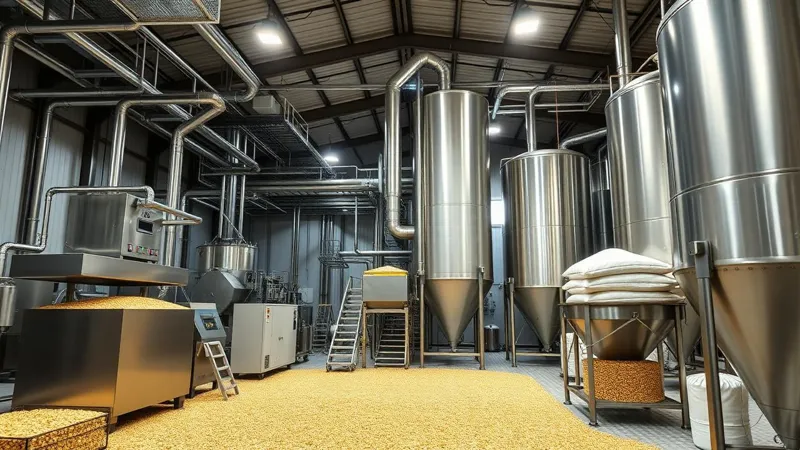
How do you size a seed processing plant?
Required line throughput (t/h) = seasonal raw intake ÷ (campaign days × shift hours × line availability). Finished seed output is raw intake less processing losses of roughly 8–20%, and bagging and treating lines must be sized on finished throughput, not raw intake.
- Formula: line t/h = raw intake ÷ (days × shifts × hours × availability).
- Multi-crop plants commonly plan 65–80% line availability, not 100%.
- Cleaning, grading and gravity losses typically remove 8–20% of raw intake.
- Bags per hour = finished t/h × 1,000 ÷ bag weight (kg).
- Indicative sizing only — detailed plant design requires a process engineer.
Estimate only — not a quotation. Outputs are indicative planning ranges based on the values you enter and typical commercial benchmarks. Real pricing, specifications and lead times vary by country, site conditions and supplier, and are confirmed only in written offers collected through a private RFQ.
Campaign inputs
Total uncleaned seed received per campaign
Changeovers, cleaning between lots, maintenance
Chaff, light seed, off-size and foreign material
Portion of finished seed passing the treater
Decouples delivery peaks from the line
Indicative only. Excludes drying, dust and aspiration systems, lot traceability design, layout constraints and certification requirements. Confirm with a qualified process engineer before tender.
Turn this estimate into a qualified project
SeedMatchGroup is a supplier-neutral, human-led platform. We do not manufacture or resell equipment — we help buyers specify the project, review relevant suppliers privately and compare the written offers received. Supplier participation and timing are not guaranteed.
Frequently asked questions
Understanding the values
What each choice in this calculator means, and how the options differ in practice.
- Throughput vs lot size
- Line capacity per hour matters less than how lots flow through harvest. Many small lots with cleaning between them cut effective capacity far below the nameplate figure.
- Cleaning loss
- Raw intake includes inert matter and off-size seed. Capacity planning must start from raw intake, not finished seed output.
Illustrative project summary
2 ha polytunnel expansion
An established open-field grower adds protected cropping with natural ventilation and drip irrigation.
2 ha · Single-span polytunnel · Leafy greens and herbs
Indicative full greenhouse project CAPEX
USD 575K – USD 1.3M
Illustration only, not a real project or quotation. This is the structure, equipment and site-works budget for the example greenhouse, not the price of this calculator’s individual system, seeds or inputs, and not a result calculated from your entries. Excludes land, permits, packhouse, financing costs and working capital.
Based on the published commercial greenhouse cost benchmark. Written offers require a private project review; commercial projects start from USD 250K.
What can change the result?
This is a preliminary planning estimate based on the values you entered. The variables below usually move the outcome most, and should be confirmed with an agronomist, engineer and supplier offers before final design.
- Crop and cultivar — water, climate and support requirements differ per crop
- Growing area and layout — hectares alone are not a greenhouse specification
- Local climate: temperature, humidity, radiation and wind exposure
- Growing system (soil, substrate, hydroponic) and plant density
Questions this calculator answers
Typical buyer and investor searches this tool is built for, including the markets where we run the most commercial projects.
- seed rate and seed requirement planning per hectare for a commercial project
- seed rate and seed requirement planning for a 2-hectare project — India
- seed rate and seed requirement planning: indicative planning ranges — Kenya
- seed rate and seed requirement planning benchmarks for investors — Saudi Arabia
- seed rate and seed requirement planning under local market conditions — Mexico
- seed rate and seed requirement planning — what to specify in a supplier RFQ
Method and decision path
How to use this result in a commercial project
Use the result to test scope and compare scenarios. It is not a design, agronomic prescription, financing offer or supplier quotation.
1. Enter site evidence
Replace defaults with measured area, climate, water, energy, crop and commercial assumptions.
2. Test scenarios
Change one assumption at a time and record the effect on capacity, cost, demand or return.
3. Validate the duty
Ask the relevant agronomist, engineer or financial adviser to check the inputs and constraints.
4. Prepare a private RFQ
Carry the confirmed scope into a human-reviewed brief so written offers can be compared on the same basis.
Final specifications, performance, prices, supplier participation and timing depend on the site and written supplier responses; none is guaranteed by this calculator.
Tell us five things and we route your brief
These fields decide which specialist and which suppliers see your request. Nothing is submitted here — your answers are carried into the private RFQ.
The USD 250K project threshold applies to capital projects. Recurring fertilizer programmes are reviewed by shipment size, annual volume and sourcing fit.
A sourcing specialist shortlists reviewed providers for your scope and returns comparable offers. Supplier details stay with us — all communication runs through SeedMatchGroup.
Estimate only: these figures are indicative planning numbers, not a quotation. Final pricing, specifications and lead times come from supplier offers after your brief is reviewed.
Plan the project around the numbers
A calculator output is a starting point. Pair it with the planning guides below to align timeline, irrigation, budget and risk before you launch an RFQ.
One private brief, specialist review, private supplier research and a like-for-like comparison.
Month-by-month schedule from concept to first harvest across 9 stages.
Design principles for drip, pivot, fertigation and filtration on commercial projects.
How CAPEX, working capital and operating cost drive the project business case.
The ten most expensive planning and procurement pitfalls — and how to avoid them.
Procurement answers behind these numbers
A model output only holds if the scope, contract route and delivery terms match the assumptions. These reference answers cover the commercial decisions that move the figure.
- Turnkey EPC vs separate equipment packages
- What belongs in a greenhouse equipment specification
- Normal payment milestones in equipment contracts
- Which Incoterms to use for greenhouse and irrigation equipment
- How long a commercial greenhouse takes from order to handover
- What is normally the owner's scope on a greenhouse project
Move seed processing capacity calculator into a structured RFQ
Editorial · not a sales pitchCalculator outputs are indicative. When your numbers stabilise, a supplier-neutral RFQ turns those estimates into a consistent brief for comparing the written offers that participating suppliers provide.
The facts a complete, supplier-neutral request on this topic includes. Use it as a checklist before submitting.
- Seasonal intake volume (t) and campaign length (days)
- Required throughput (t/h) for intake, cleaning, drying and bagging
- Commodity, bulk density and incoming moisture vs target moisture
- Storage split: flat store, steel silos, hopper cells — and required capacity
- Handling scope: conveyors, elevators, aeration, dust control, weighbridge
- Seed-specific scope: grading, treating, coating, bagging and lot traceability
- Utilities available: power, fuel for drying, civil works responsibility
- Site layout with available footprint
- Intake schedule and commodity analysis
Opens the RFQ Builder scoped as a grain/seed processing package so suppliers quote throughput, storage and handling together. You stay in control — nothing is submitted until you review and confirm.
Free to submit · supplier-neutral · reviewed by a specialist before any supplier is contacted.
Running these numbers for a client project?
Agronomists, greenhouse and irrigation consultants use this calculator for feasibility, then hand the project to us for supplier shortlisting, RFQ preparation and quote comparison. You stay client-facing and we work through you.
Your client relationship stays with you — we work through you and never contact your client unless you ask.
Indicative only
- This tool is indicative only.
- It is not financial advice.
- It is not agronomic advice.
- It is not engineering design.
- Final numbers require supplier, agronomist, engineer and local regulatory review.
SeedMatch Group is an independent agricultural project sourcing and RFQ platform. We are not a farm, seed producer, fertilizer manufacturer, irrigation manufacturer, greenhouse builder, EPC contractor, lender or financial advisor. Supplier and project partner outreach is handled only after a commercial project brief is reviewed.
Supplier and manufacturer listings are provided for research, transparency and discovery only. SeedMatch Group does not provide automatic buyer-supplier introductions. Every agriculture project request is reviewed manually by the SeedMatch project team, and supplier introductions are made only after internal approval.