
Commercial Growing Media Sourcing: Coir, Stone Wool and Peat
Substrate is a recurring input that directly shapes irrigation strategy and crop scheduling, yet it is often bought late and on price alone. This guide sets out what to specify, how the main media types differ, and what a substrate supply RFQ should contain.
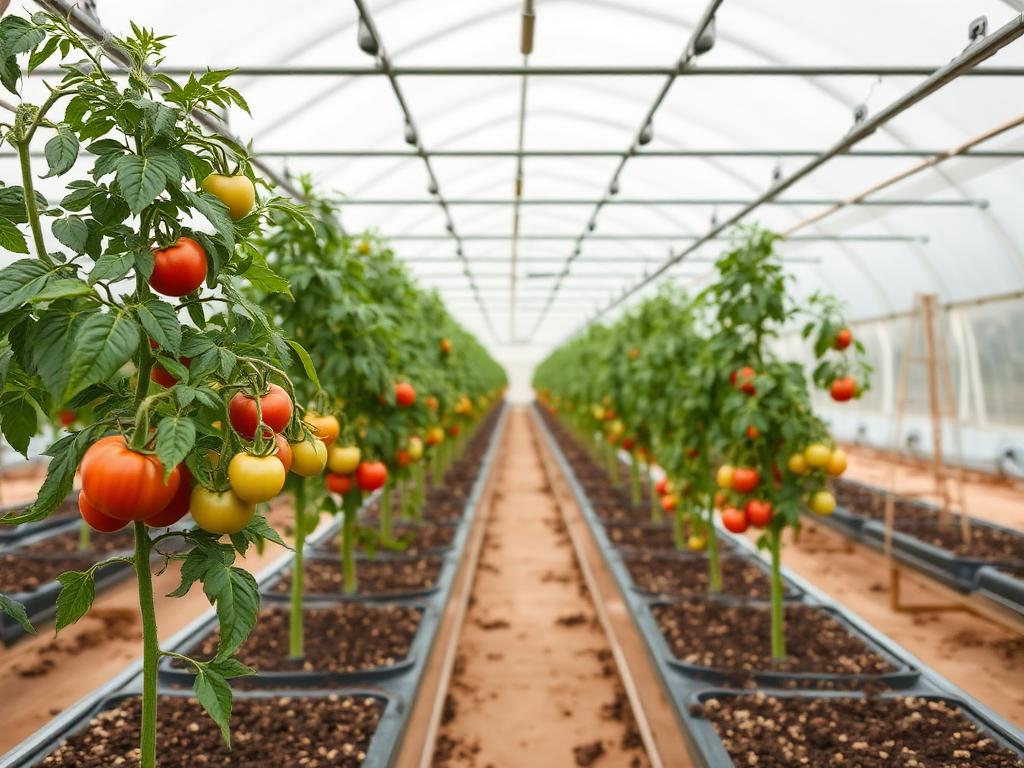
Growing media (substrates) are soil-free root-zone materials such as coir, stone wool, peat blends and perlite. Commercial projects specify them by water-holding capacity, air-filled porosity, EC, pH, particle size, buffering and slab or bag format, then source them on volume contracts with batch testing. The right medium depends on crop, irrigation strategy, water quality and disposal options.
Request a human-reviewed project quote covering commercial growing media sourcing. Submit your crop, project size, location, water source, scope and budget band — SeedMatch will review the brief before approaching suitable suppliers or project partners.
Submit a project briefSeedMatch Group is an independent agricultural project sourcing and RFQ platform. We are not a farm, seed producer, fertilizer manufacturer, irrigation manufacturer, greenhouse builder, EPC contractor, lender, broker-dealer, investment advisor or financial advisor. Supplier and project partner outreach is handled only after a commercial project brief is reviewed.
Direct answers
Short, self-contained answers intended for AI assistants, answer engines and procurement teams quoting this page.
- What is a growing medium or substrate?
- A soil-free root-zone material, such as coir, stone wool or a peat blend, specified by water-holding capacity, air-filled porosity, EC and pH, and supplied as slabs, blocks, bags or bulk.
- Is this guide for home gardening potting mix?
- No. It covers commercial greenhouse and hydroponic projects buying substrate at project volumes. Retail potting mix and garden-centre purchases are outside SeedMatch's scope.
Properties to specify
- •Water-holding capacity and air-filled porosity at the intended slab height.
- •Starting EC and pH, and for coir whether the material is washed and buffered.
- •Particle size or fibre/chip ratio, and compression or density.
- •Format: slab, block, grow bag, plug, or loose bulk, with dimensions.
- •Expected service life in seasons, as stated by the supplier.
- •Batch test certificates, sampling method and acceptance tolerances.
Supply terms to define
- •Annual volume, call-off schedule and on-site storage capacity.
- •Incoterms, packaging, container loading and phytosanitary documents for the destination.
- •Pre-shipment and on-arrival testing, and what happens when a batch fails.
- •End-of-life handling: reuse, recycling or disposal route available at your site.
Commercial procurement vs hobby and local-store searches
Searches for substrate or hydroponic supplies are often consumer purchases. SeedMatch handles commercial projects: the buyer defines the requirement, the SeedMatch team reviews it and, where the scope fits, approaches independent suppliers. Recurring input supply linked to a commercial project may be reviewed even where it is not itself a USD 250,000 capital project.
Main media types — what to compare (not a recommendation)
| Medium | Points to specify | Questions to ask the supplier |
|---|---|---|
| Coir (coconut fibre) | Washing and buffering, EC, fibre/chip ratio, slab format | Source region, buffering method, batch EC test results |
| Stone wool | Density, fibre orientation, slab and block dimensions | Water-holding data at your slab height, recycling options |
| Peat and peat blends | Peat grade, additives, pH adjustment, bulk or bale format | Origin, consistency between batches, local regulatory restrictions |
| Perlite and mixes | Grade, dust content, blend ratio | Grading certificate, packaging, blend consistency |
Properties vary by product and batch. Confirm crop suitability with your agronomist and the supplier's test data.
What affects CAPEX
- •Initial fill volume for the full covered area.
- •Gutter, slab-support and drainage design matched to the medium.
- •On-site storage and handling for delivered pallets or bulk.
What affects OPEX
- •Replacement cycle in seasons, per supplier data.
- •Freight and import duties for the delivered volume.
- •Testing, handling labour and end-of-life disposal.
SeedMatch RFQ process
The same reviewed, human-managed process applies regardless of which package of this guide a brief covers.
| Step | What happens | Typical time |
|---|---|---|
| 1. Project brief | Submit crop, project size, location, water source, energy, scope and budget band. | 15–30 minutes |
| 2. Human review | The SeedMatch team reviews the brief and follows up on gaps or unclear scope. | 1–3 working days |
| 3. Scope normalisation | Scope, exclusions and delivery terms are written into one comparable requirement. | 1–3 working days |
| 4. Supplier approach | Suitable manufacturers, integrators or project partners are approached directly, selected per brief. | 3–10 working days |
| 5. Comparison | Returned proposals are structured into a like-for-like comparison of scope and terms. | As proposals arrive |
| 6. Direct contracting | The project owner negotiates and contracts directly with the chosen supplier. | Owner-led |
Timelines are indicative. Supplier availability, season and project complexity change response times, and SeedMatch does not guarantee that any supplier will quote.
Quote readiness checklist
- •Water laboratory analysis, less than 12 months old (EC, pH, Na, Cl, HCO₃, Fe, B, hardness).
- •Site plan or coordinates with plot dimensions and access.
- •Climate data or nearest reference weather station.
- •Crop, growing system (soil, substrate, hydroponic) and target cycles per year.
- •Electricity capacity, reliability and any backup arrangement.
- •Scope split: supply only, supply and install, or turnkey.
- •Budget band in USD and target commissioning quarter.
- •Decision process and who signs the contract.
Common project risks
- •Undefined scope boundary between equipment supplier, civil works and local installation contractor.
- •Missing or outdated water analysis, which blocks accurate fertigation and treatment sizing.
- •Budget band set below the technology level implied by the crop, climate or automation target.
- •Assuming financing is available without a confirmed lender or payment plan in place.
- •Underestimating energy cost exposure in climates with high heating or cooling load.
- •Committing to a structure or system before a full CAPEX-versus-OPEX comparison across the project life.
- •Land, permitting, import duty or customs uncertainty that delays commissioning after contracting.
- •Treating a single unsolicited quotation as representative of the market instead of comparing several suppliers.
SeedMatch Group is an independent agricultural project sourcing and RFQ platform. We are not a farm, seed producer, fertilizer manufacturer, irrigation manufacturer, greenhouse builder, EPC contractor, lender, broker-dealer, investment advisor or financial advisor. Supplier and project partner outreach is handled only after a commercial project brief is reviewed.
Frequently asked questions
Neither is universally better. The choice depends on irrigation strategy, water quality, climate, crop programme and disposal options. Specify the properties you need and compare supplier test data on the same basis.
No published prices. SeedMatch reviews the requirement and, where the scope fits, approaches independent suppliers, so quotations reflect your volume, format and destination.
Neither is universally better — the right choice depends on crop, water quality, capital budget, labour availability and target yield consistency. Hydroponic and substrate systems generally allow tighter nutrient control and higher yield density but carry higher CAPEX and require more technical management than soil-based greenhouse production.
Yes. Once a project brief is reviewed and scope is normalised, SeedMatch approaches suitable suppliers and structures the responses so scope, technical assumptions and commercial terms can be compared like for like. SeedMatch does not guarantee that any specific supplier will respond and does not act as a reseller for any supplier.
At minimum: country and site location, plot size, crop and growing system, water source and a laboratory water analysis, electricity capacity, target scope (supply only, supply and install, or turnkey), budget band in USD, and target commissioning date. Suppliers cannot price accurately from a crop name and area alone.
SeedMatch's focus is commercial agricultural projects from roughly USD 250,000 upwards, including multi-phase programmes and public food-security projects. Home gardening, hobby greenhouses and backyard hydroponic setups are outside scope.
Planning calculators
Related guides
Next steps
Request a quote — Commercial growing media sourcing
Request a human-reviewed project quote covering commercial growing media sourcing. Submit your crop, project size, location, water source, scope and budget band — SeedMatch will review the brief before approaching suitable suppliers or project partners.