
Greenhouse guides
For commercial growers and investors: plan by climate, crop, market, water and budget; improve yield and quality with data; choose varieties; run precise fertigation; build an investment plan and RFQ; and use historic records to decide what to upgrade or expand.
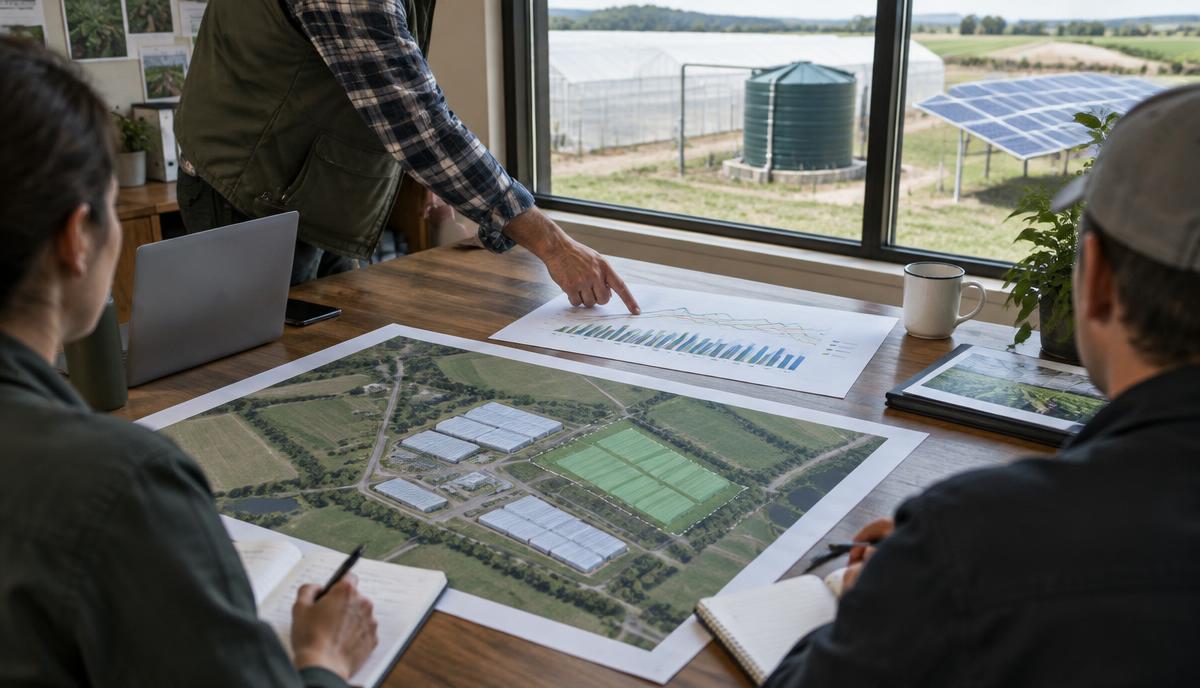
Greenhouse Expansion Planning: Demand, Water, Energy, CAPEX
Size the expansion from documented demand by week or month, convert that volume into area using your own best comparable yield, then check that water, energy, labour, site and permits can support that area. Only then model CAPEX and OPEX as ranges and turn the result into a written RFQ.
Read guide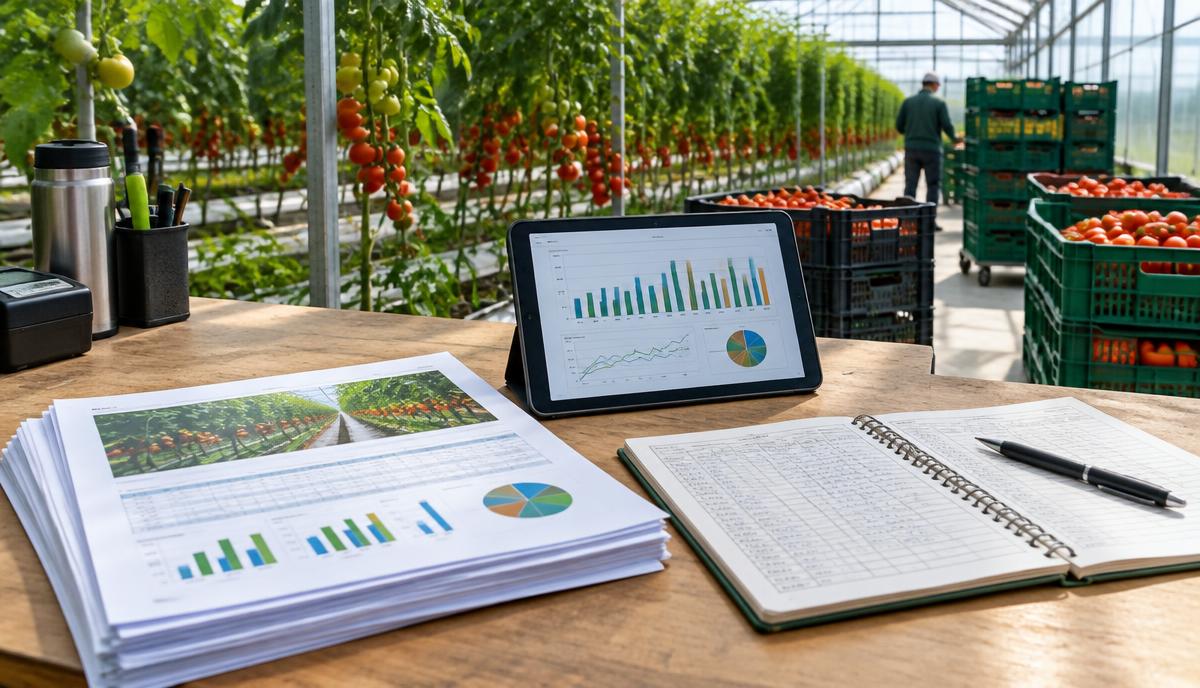
Greenhouse Crop Cycle Analysis: Yield per m², Inputs, Rejects
Put at least two or three comparable cycles of the same crop side by side, convert every input to the same unit (per m² and per kg of marketable produce), and look for the line that moves most between your best and worst cycle. That line — not the average — usually points to the bottleneck worth investigating first.
Read guide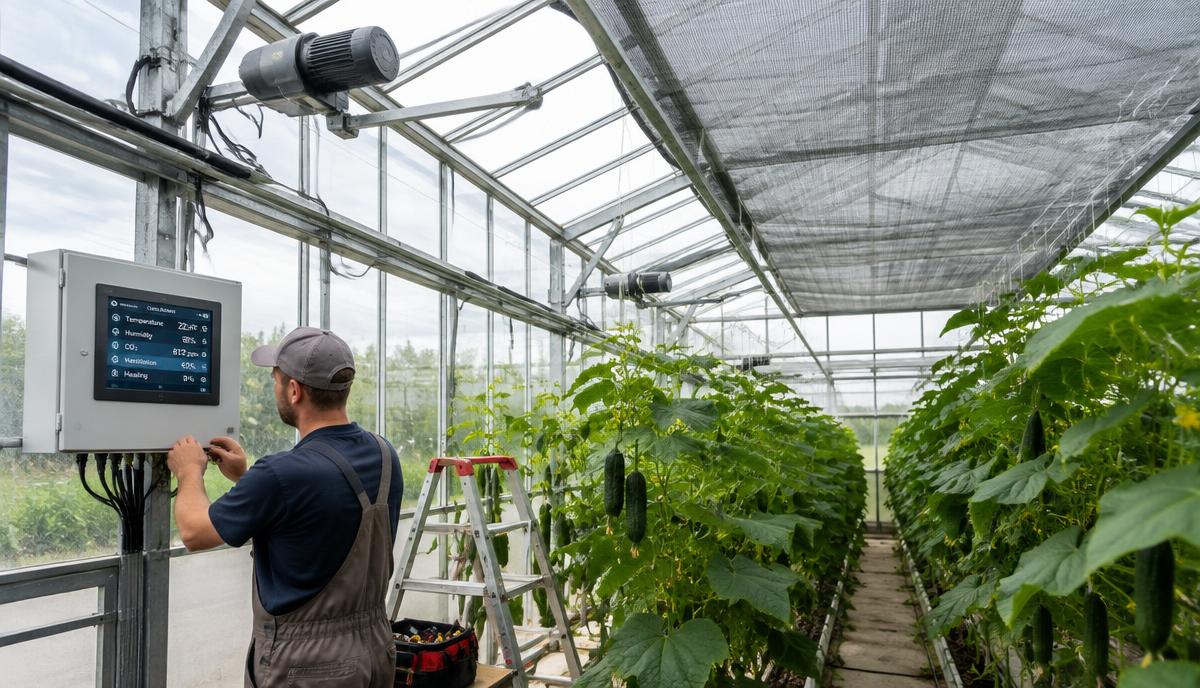
Greenhouse Retrofit in Phases: Controls, Cooling, Fertigation
Start with an audit of what the existing systems actually deliver against their setpoints, fix measurement and control first (sensors, controller, logging), then upgrade the system your logs show limits the crop most — often ventilation/cooling or irrigation uniformity — one phase at a time, with a before/after KPI for each phase.
Read guide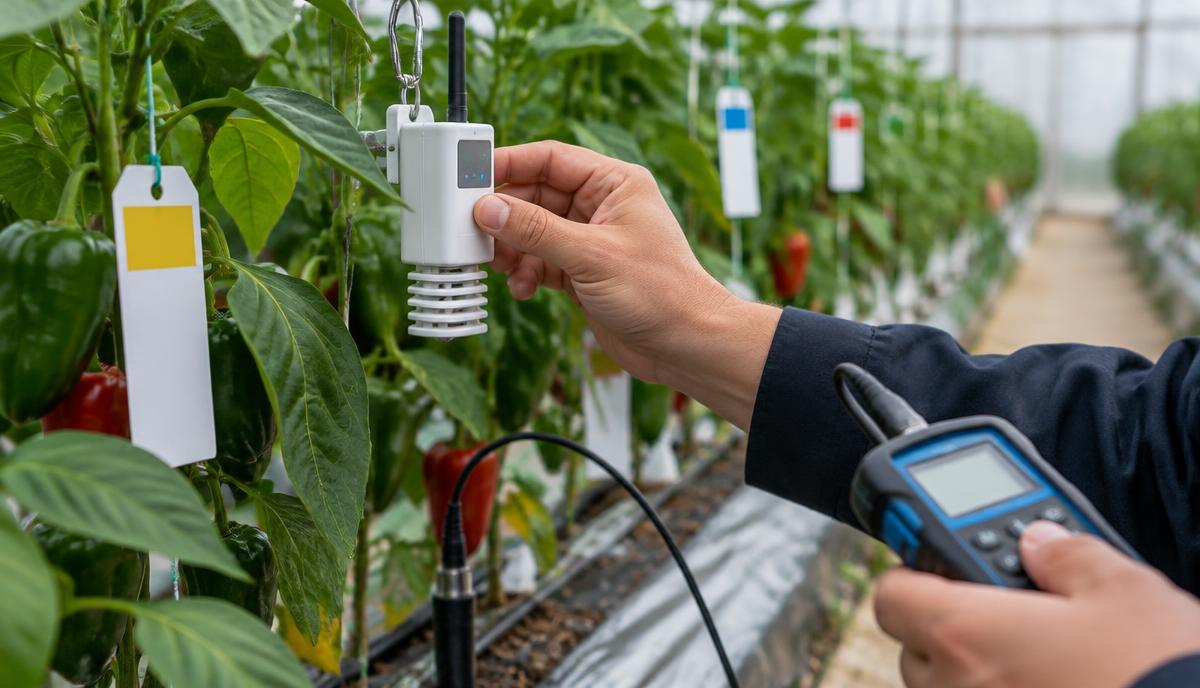
Greenhouse Trial Design: Baseline, KPIs and Sensor Calibration
Define one change and one main KPI, record a baseline for the same crop and season, calibrate the sensors you will rely on, run the trial on a comparison area (or a matched before/after period), and decide in advance what result — over what period — would justify scaling up.
Read guide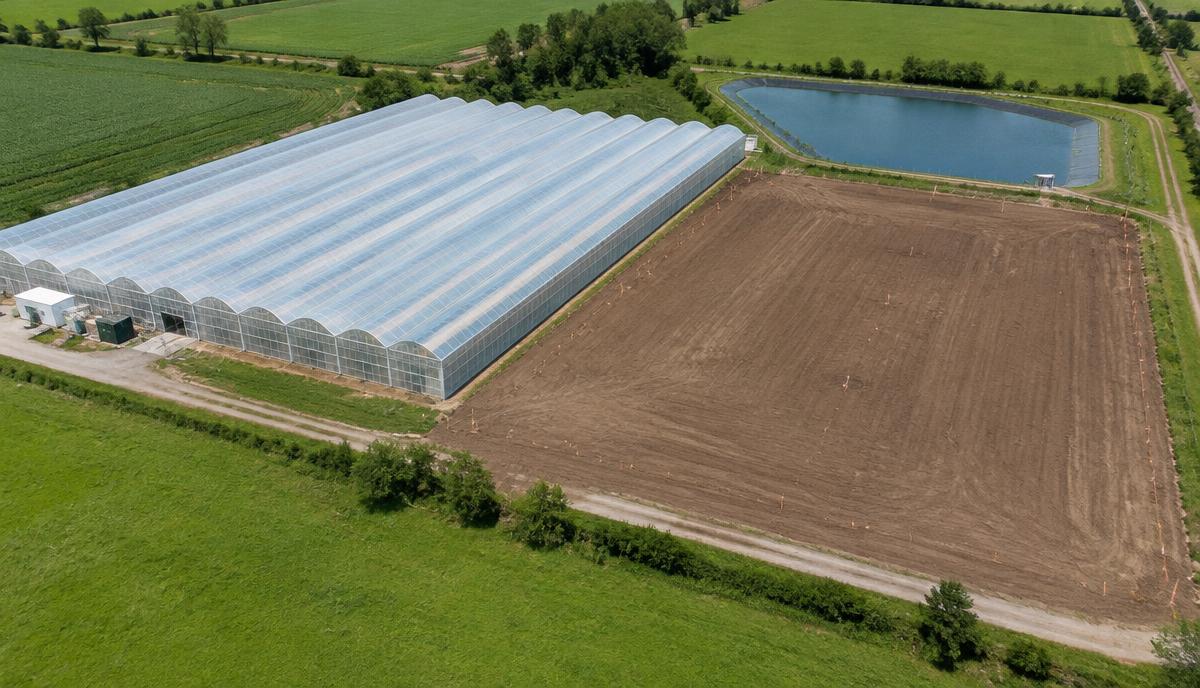
Expand Greenhouse Area or Upgrade First? A Data-Led Test
Improve first when your own records show a large, repeatable gap between your best and worst cycles or blocks, and the cause is climate, irrigation or process. Expand first when the existing area already performs close to your own best cycle, demand is documented, and water, energy, labour and site can support more area.
Read guide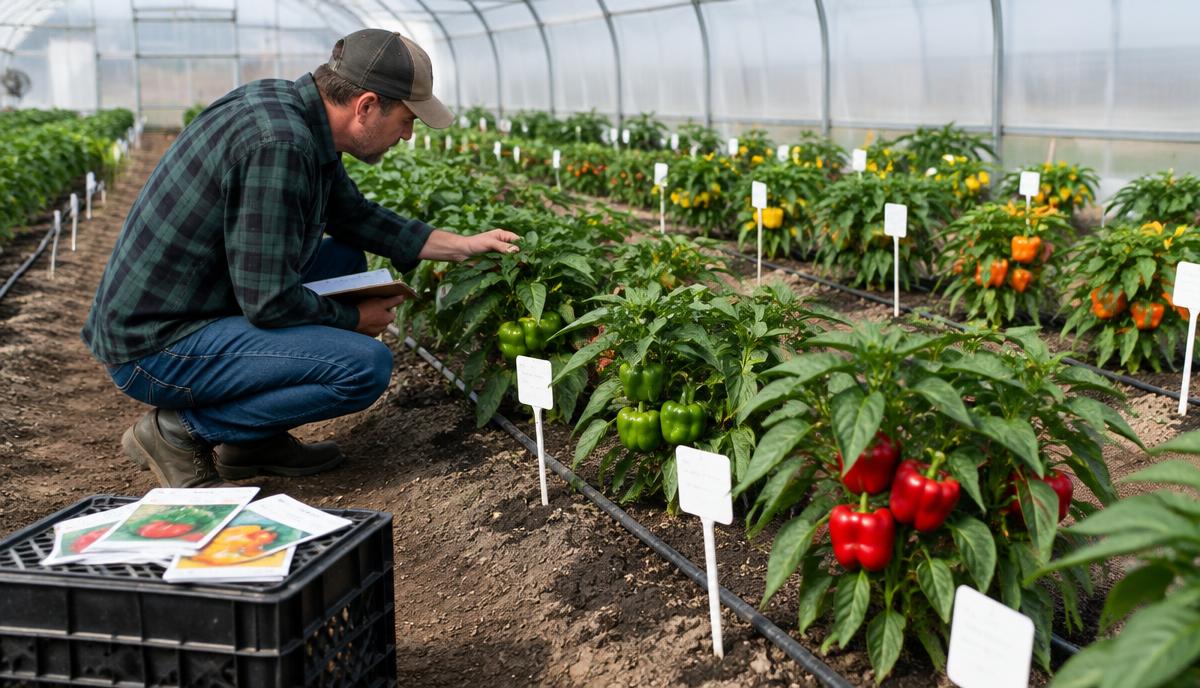
Choosing Greenhouse Vegetable Varieties: HR/IR, Cycle, Market
List your growing conditions, cycle and buyer specifications first; shortlist varieties whose documented characteristics fit; check what each resistance code actually covers; confirm seed availability, lot quality and lead time; then trial the shortlist on your own site before committing the whole area.
Read guide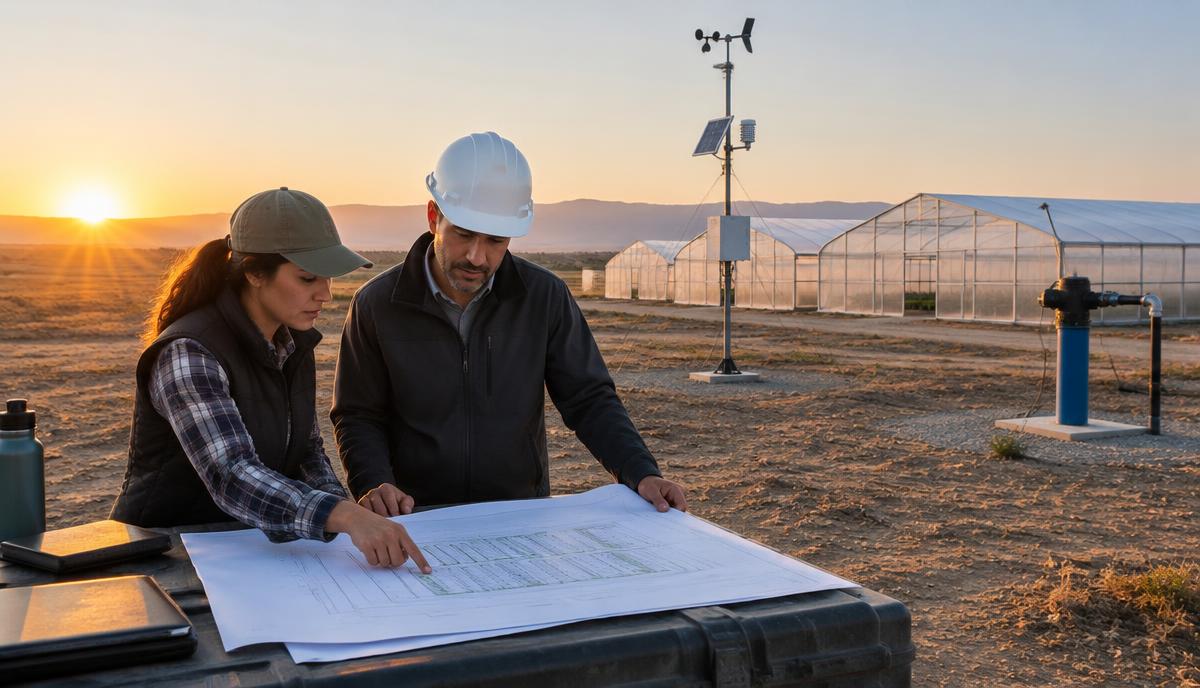
Commercial Greenhouse Design Basis: Climate, Crop, Water, Budget
Start from the crop and market window you want to supply, then describe the site's climate extremes and water. Those three set the climate envelope the greenhouse must hold. Choose structure, covering and control level to hold that envelope within budget — not the other way round — and confirm every choice with local engineers and the selected supplier.
Read guide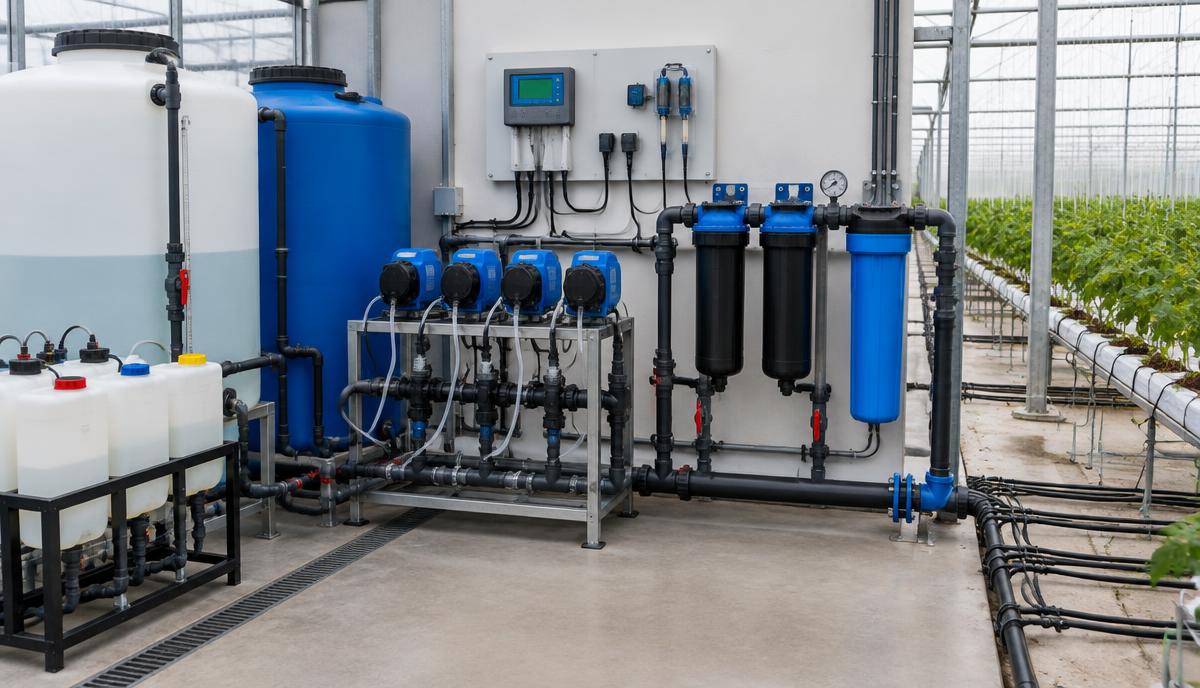
Precision Fertigation: ETc, Drain EC and Distribution Uniformity
Estimate daily crop water need as ETc = Kc × ETo, divide by system efficiency to get the gross amount, check that emitters deliver it evenly with a uniformity test, and monitor supply and drain EC to manage salinity. Nutrient concentrations come from a crop-, stage- and water-specific recipe prepared with your adviser.
Read guide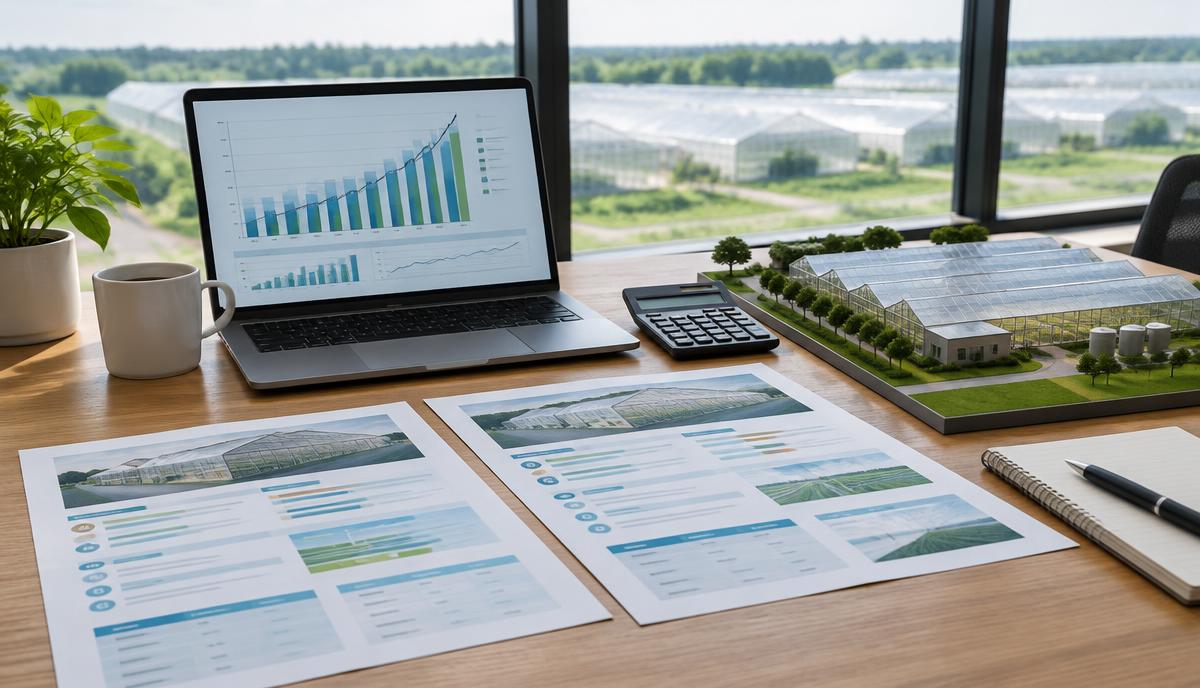
Greenhouse Investment Plan: CAPEX, OPEX, ROI Scenarios, RFQ
Write the specification first, collect CAPEX and OPEX as ranges, run low, base and high scenarios for yield, price and costs, and only then issue one RFQ with the same scope and assumptions to every supplier. Compare offers after normalising scope, exclusions and lifecycle costs — never on headline price alone.
Read guide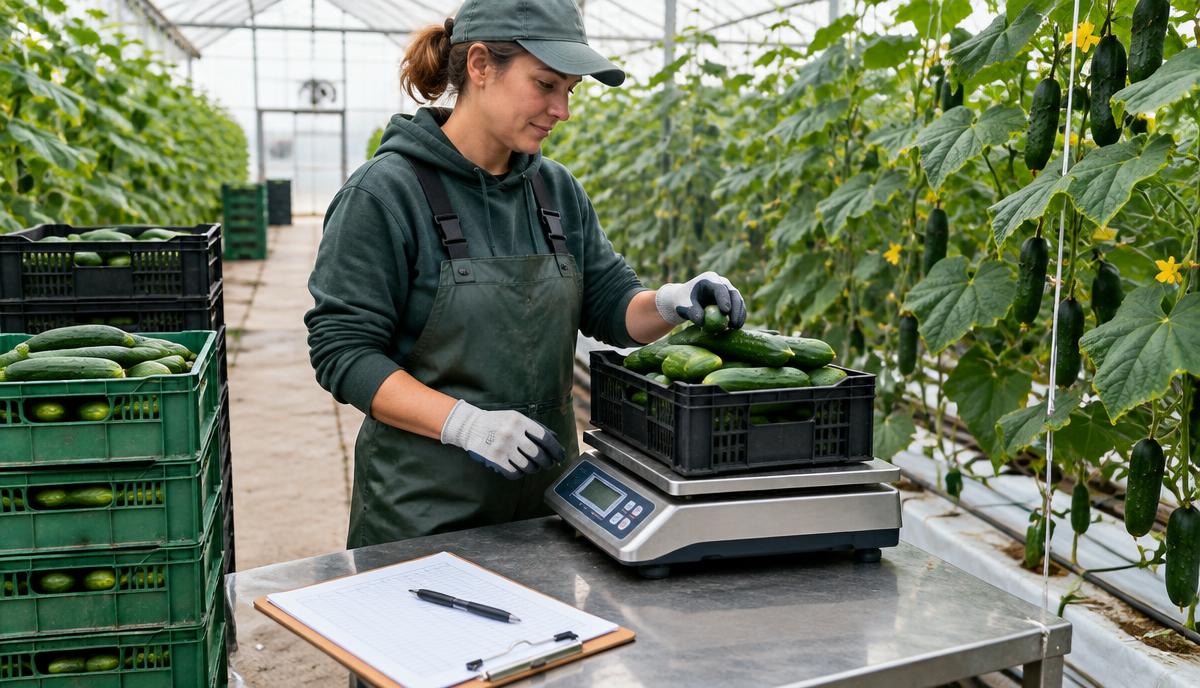
Greenhouse Yield and Quality: Irrigation, EC, Climate Data
Record marketable kg and grade-outs every week next to the irrigation, drain, EC/pH and climate data for the same block. When quality or yield drops, look back two to four weeks in those logs for the change that preceded it, test one correction on part of the crop, and keep what your own data confirms.
Read guide