
How to compare seed varieties effectively
A structured framework for comparing commercial seed varieties — beyond price per kilogram — so you commit to the variety that actually wins on your farm.
How does SeedMatchGroup handle a requirement like "How to compare seed varieties effectively"?
A buyer submits one private brief through the RFQ builder. A structured framework for comparing commercial seed varieties — beyond price per kilogram — so you commit to the variety that actually wins on your farm. A sourcing specialist reviews the scope and missing information. Supplier contact requires buyer authorization after human review; sending the request does not automatically share it. Available offers can then be compared on scope, delivery terms and exclusions. Supplier participation and response timing are not guaranteed.
Key takeaways
- A better comparison framework: Score every candidate variety on: realised yield in analog climate, marketable quality (size grade, brix, shelf life), disease package versus your local pressure, cycle length versus your planting window, and seed cost…
- Get apples-to-apples data: Insist on replicated trial data from analog regions if local data is missing.
- Use multi-supplier quoting: Submit one consolidated request — receive multiple supplier offers in parallel.
- How SeedMatchGroup helps: Our platform shortlists candidate varieties from screened independent producers worldwide, returns a side-by-side comparison of price, MOQ and specifications, and brokers the entire conversation privately.
Price per kilogram is the worst possible way to compare seed varieties. By the time the cost of seed is amortised across a season's yield, a 'cheap' variety with 8% lower yield has cost you far more than the so-called premium option.
A better comparison framework
Score every candidate variety on: realised yield in analog climate, marketable quality (size grade, brix, shelf life), disease package versus your local pressure, cycle length versus your planting window, and seed cost as percentage of revenue — in that order.
Get apples-to-apples data
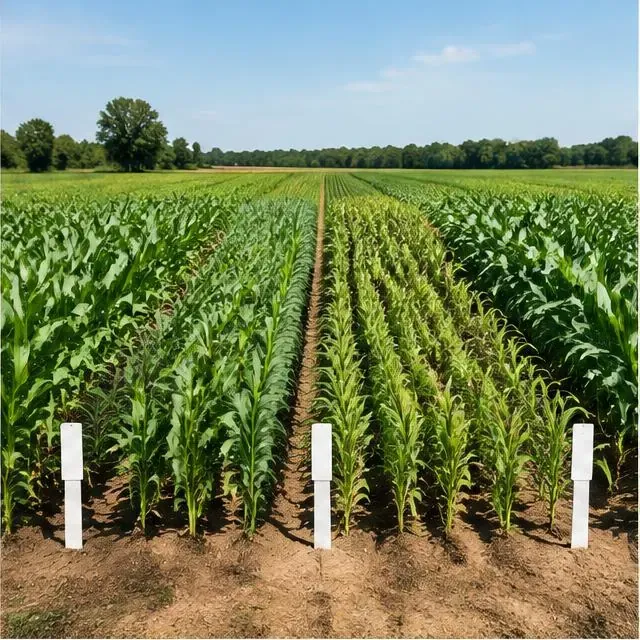
Insist on replicated trial data from analog regions if local data is missing. Where possible, run a side-by-side trial of 2–5 candidates yourself before consolidating commercial volume.
Use multi-supplier quoting
Submit one consolidated request — receive multiple supplier offers in parallel. This eliminates the time tax of chasing ten breeders individually and reveals which suppliers are genuinely competitive on your specification.
How SeedMatchGroup helps
Our platform shortlists candidate varieties from screened independent producers worldwide, returns a side-by-side comparison of price, MOQ and specifications, and brokers the entire conversation privately. Start at Compare seed varieties.
Turn "How to compare seed varieties effectively" into your RFQ
Answer a few questions and we will draft a structured RFQ you can review, edit and submit to our independent supplier network.
Frequently asked questions
- How does SeedMatchGroup handle a requirement like "How to compare seed varieties effectively"?
- A buyer submits one private brief through the RFQ builder. A structured framework for comparing commercial seed varieties — beyond price per kilogram — so you commit to the variety that actually wins on your farm. A sourcing specialist reviews the scope and missing information. Supplier contact requires buyer authorization after human review; sending the request does not automatically share it. Available offers can then be compared on scope, delivery terms and exclusions. Supplier participation and response timing are not guaranteed.
- What size of project does the platform serve?
- SeedMatchGroup works on commercial agricultural projects from USD 250K upward — greenhouses, irrigation and fertigation, seed processing and production facilities, nurseries, packhouses, cold chain, water treatment, agricultural solar and related infrastructure. Smaller retail or hobby requirements are outside the platform's scope.
- Does the buyer pay anything to use SeedMatchGroup?
- No. Buyers pay no platform fee, subscription or success fee. The platform is compensated by the supply side once a buyer selects a supplier, which is why the shortlist is assembled on technical fit rather than on who pays the most.
- Are supplier names shown on the site?
- No. Supplier, manufacturer and integrator identities, along with price bands and shortlists, are released only inside the private RFQ flow after a requirement is qualified. All communication runs through SeedMatchGroup until the buyer selects an offer.
Move from reading to sourcing
The pages below carry the commercial detail for this topic — cost ranges, supplier verification, specification checklists and financing routes.