
Buyer guide
From farm procurement to market: a practical sourcing framework for commercial agriculture buyers
Published: · SeedMatch Group editorial team
Short answer
A structured sourcing process helps agricultural procurement teams reach a better result because every supplier answers the same written brief, every claim is checked against evidence, and costs are compared over the life of the project rather than on the headline price. It is most useful for multi-part projects — greenhouses, irrigation and fertigation, seed programmes, bulk inputs and export produce — where scope gaps are expensive. It does not replace your own due diligence, contracts or legal and regulatory advice.
- Write the brief first: crop, site, volumes, timing, destination, quality, documents and budget assumptions.
- Compare suppliers on evidence, capacity and risk — not on brochures or the lowest number.
- Judge technology on total cost of ownership, support and fit with your team.
- Treat financing and market access as separate decisions that depend on third parties.
SeedMatch Group is a buyer-first sourcing and procurement intermediary. It is not a manufacturer, producer, lender, certifier, law firm or regulator, and it does not guarantee prices, savings, financing, sales or regulatory approval.
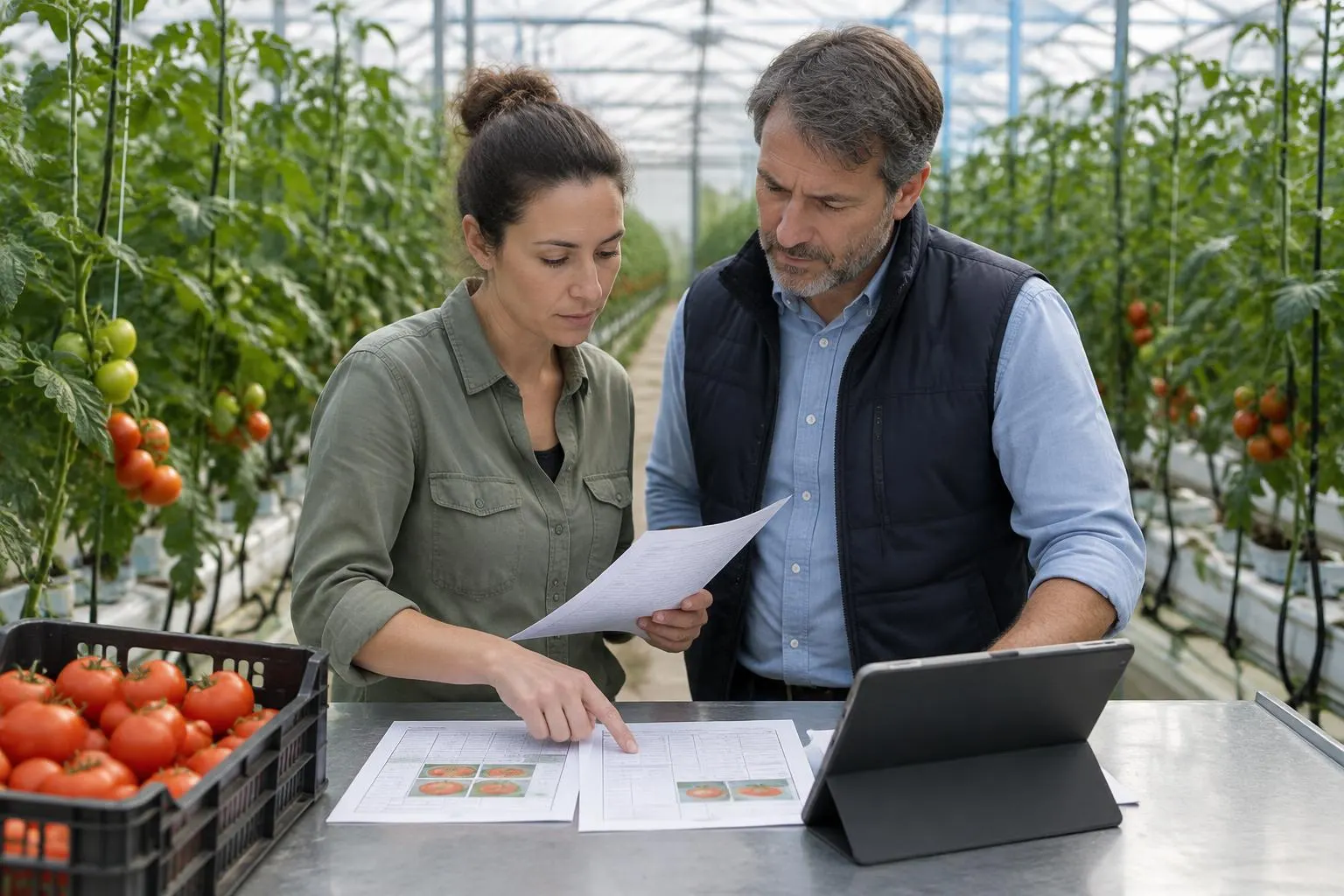
Why a structured process changes the result
Most disappointing agricultural purchases are not caused by one bad supplier. They come from a brief that was never written down: two greenhouse quotes that assume different climates, an irrigation offer without filtration, a seed price for a variety that is not registered in the destination country, or a fertilizer quote on a different delivery term. Each quote looks reasonable on its own; together they cannot be compared.
A structured sourcing process fixes the order of decisions. You define the requirement, then look for suppliers who can meet it, then compare like with like, then negotiate, and only then commit money. That sounds obvious, yet under time pressure many teams reverse it and let the first supplier's catalogue define the project.
The same discipline applies after harvest. If the target buyer needs a specific grade, residue limit, packaging or certificate, those requirements belong in the original brief — they influence the variety, inputs, packhouse and cold chain you buy.
When a sourcing platform is useful — and when it is not
Usually worth it when
- The project combines several systems (structure, climate, irrigation, fertigation, seeds, packhouse) and interfaces between suppliers create risk.
- You are buying across borders and need comparable delivery terms, documents and import requirements.
- Your team has limited time to find, screen and question suppliers in other countries or languages.
- Lenders, investors or a board will want to see a documented, comparable selection process.
- The commercial scope is significant — SeedMatch handles projects and orders from USD 250,000.
Often not needed when
- You are re-ordering a standard product from a supplier you already know and have audited.
- The order is small, local and low-risk, and the price difference does not justify extra process.
- You have an in-house procurement and engineering team with an established supplier panel for that category.
- You need a regulated service — legal advice, certification, lending or official inspection — that only a licensed body can provide.
The seven-step sourcing framework
Use the steps in order. Each ends with something you should verify yourself and links to the free tools that help.
Step 1. Turn the need into a precise brief or RFQ
Suppliers can only quote what you describe. A precise brief is the cheapest risk control in the whole project.
- Specification: crop and variety intent, system type, capacity or area, performance requirements and the standards that apply.
- Volumes and timing: quantities per lot or phase, start date, seasonal windows and the latest acceptable delivery.
- Destination: site location, delivery point and the Incoterms® rule you want quoted, so freight, insurance and duties are allocated the same way in every offer.
- Quality and documents: certificates, test reports, phytosanitary or origin documents the destination may require, and how they will be checked.
- Budget assumptions: currency, budget band, payment structure and what is excluded. Mark unknowns as unknown instead of guessing.
Verify yourself: Confirm site data (water analysis, power connection, soil or substrate, permits) with the responsible authority or a qualified adviser before it goes into the brief.
Useful next: Agricultural RFQ builderHow to write an agricultural RFQCommercial greenhouse RFQ template
Step 2. Identify and compare suppliers against your requirements
Search wide, then screen hard. The goal is a short list of producers, manufacturers and service providers who can show they meet your brief.
- Evidence: ask for documents that support each claim — test reports, certificates with issuing body and expiry date, product data sheets, references from comparable projects.
- Capacity: production or installation capacity in your window, lead times, local service presence and spare-parts availability.
- Risk: financial stability signals, export experience to your destination, dependence on subcontractors and who carries installation responsibility.
- Score suppliers on the same criteria and record why each one stays or drops off the list.
Verify yourself: A supplier being listed, researched or introduced is not independent certification. Check certificates with the issuing body and call references yourself before signing.
Useful next: Greenhouse supplier comparisonTurnkey greenhouse vs multi-supplier procurementGlobal seed sourcing
Step 3. Evaluate technologies on total cost of ownership and fit
Innovative systems — climate computers, sensors, precision irrigation, controlled-release fertilizers, drones — are only an improvement if your team can run and maintain them.
- Total cost of ownership: purchase, installation, energy, water, consumables, software licences, maintenance, spare parts and expected replacement over the evaluation period.
- Implementation: site preparation, commissioning, training, data integration and what happens during the first season.
- Support: response times, local technicians, remote access terms, warranty conditions and who owns your data.
- Operational fit: skills on site, connectivity, power reliability and how the system behaves when something fails.
Verify yourself: Treat yield, water or energy savings claims as supplier claims until you have seen evidence from comparable conditions. No tool or article can guarantee performance on your site.
Useful next: Innovation Center buyer guidesGreenhouse ROI calculatorGreenhouse irrigation systems
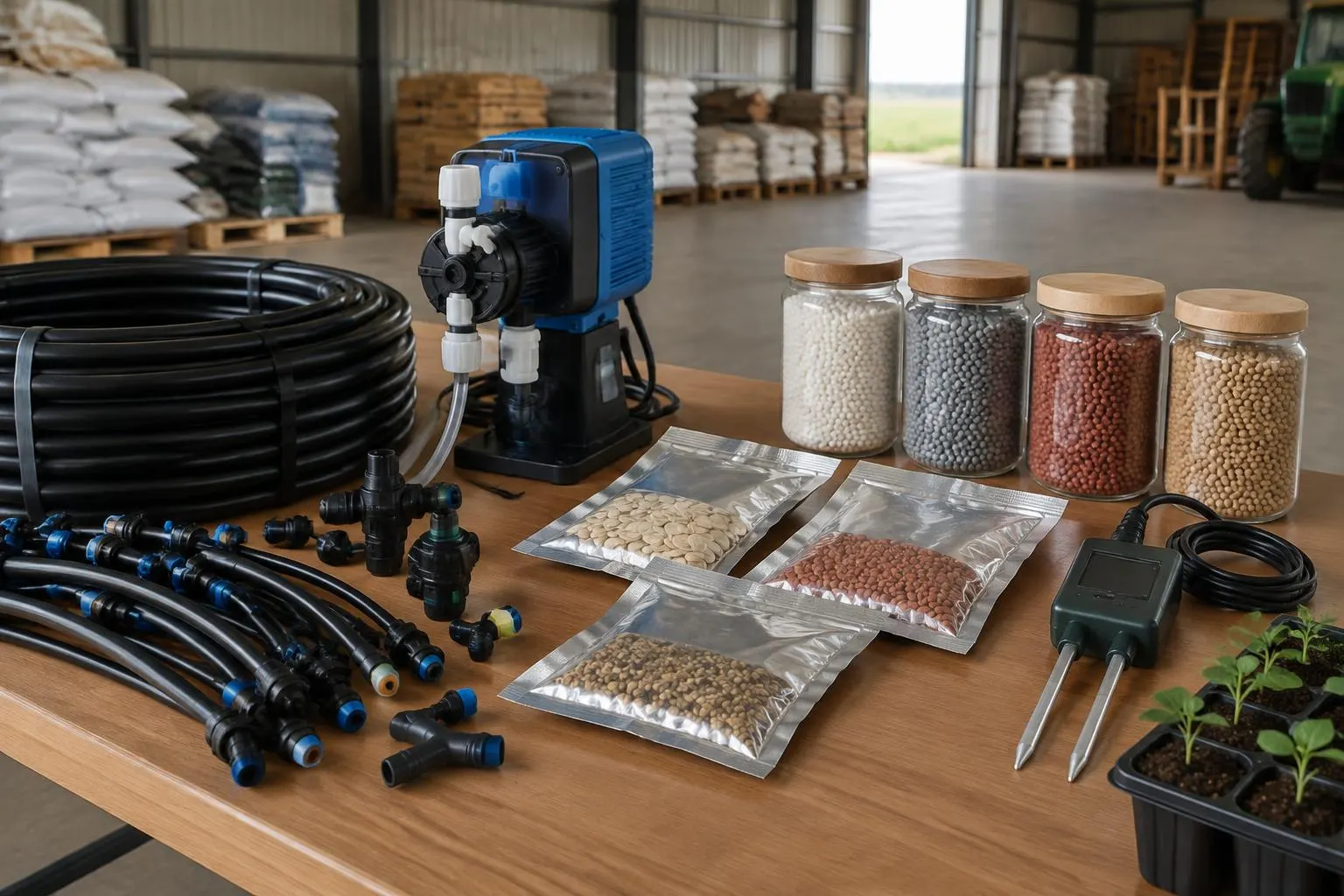
Illustration (AI-generated): irrigation, fertigation, seed and fertilizer inputs side by side. Compare them against your specification, not each other's brochures. Step 4. Compare quotations and negotiate on evidence
Normalise every offer to the same scope, currency and delivery term before you compare prices. Then negotiate on what you can show.
- Build a line-by-line comparison: included items, exclusions, delivery term, payment schedule, warranty, installation and commissioning.
- Turn exclusions into costs so a lower total is not just a missing item.
- Use market evidence — comparable quotes, published input price references, your own scenarios — to support price, payment or scope requests.
- Agree acceptance criteria and what happens if they are not met before discussing final price.
Verify yourself: The aim is a price that fits the brief and the market evidence, not the lowest number. No process can guarantee savings; check the contract, guarantees and dispute terms with your own adviser.
Useful next: Greenhouse bid comparison toolFertilizer landed-cost comparatorProcurement tools
Step 5. Explore financing that could complete or expand the project
Financing can make a larger or faster project possible, but it is a separate decision taken by the lender or investor.
- Typical routes include project or asset finance, supplier or export credit, and development or blended capital where a project qualifies.
- Prepare a lender-ready pack: the brief, comparable quotes, budget, operating assumptions, company documents and offtake or market evidence.
- With your consent, SeedMatch can review the pack and share a qualified project with independent financing partners.
Verify yourself: SeedMatch is not a lender. Any financing depends on partner availability, due diligence, eligibility and the lender's or investor's own approval, and is never guaranteed.
Useful next: Agricultural and greenhouse project financingGreenhouse project budget planner
Step 6. Plan what happens after production
Decide how output will be graded, packed, documented and moved before you buy the equipment that produces it.
- Quality specification: grade, size, residue limits and shelf-life expectations of your target buyers.
- Traceability: lot coding, harvest and input records, so each shipment can be traced back and forward.
- Packaging, cold chain and logistics: packhouse capacity, pre-cooling, storage temperature and transport to the destination.
- Documents: phytosanitary certificates, certificates of origin and buyer-required audits, which depend on product, origin and destination.
- Market route: where output qualifies, SeedMatch can refer you to Global B2B Group, its parent group, whose buyer-first marketplace handles physical agricultural and food commodities. Producers can also opt in to SeedMatch's managed, staff-reviewed marketplace with anonymous listings.
Verify yourself: A referral or listing is not a sale, a buyer commitment, a price or export clearance. Destination rules and buyer acceptance must be confirmed for each shipment.
Useful next: Fresh produce buying guidePackhouse sizing calculatorAgricultural export certificationsSeedMatch managed marketplace
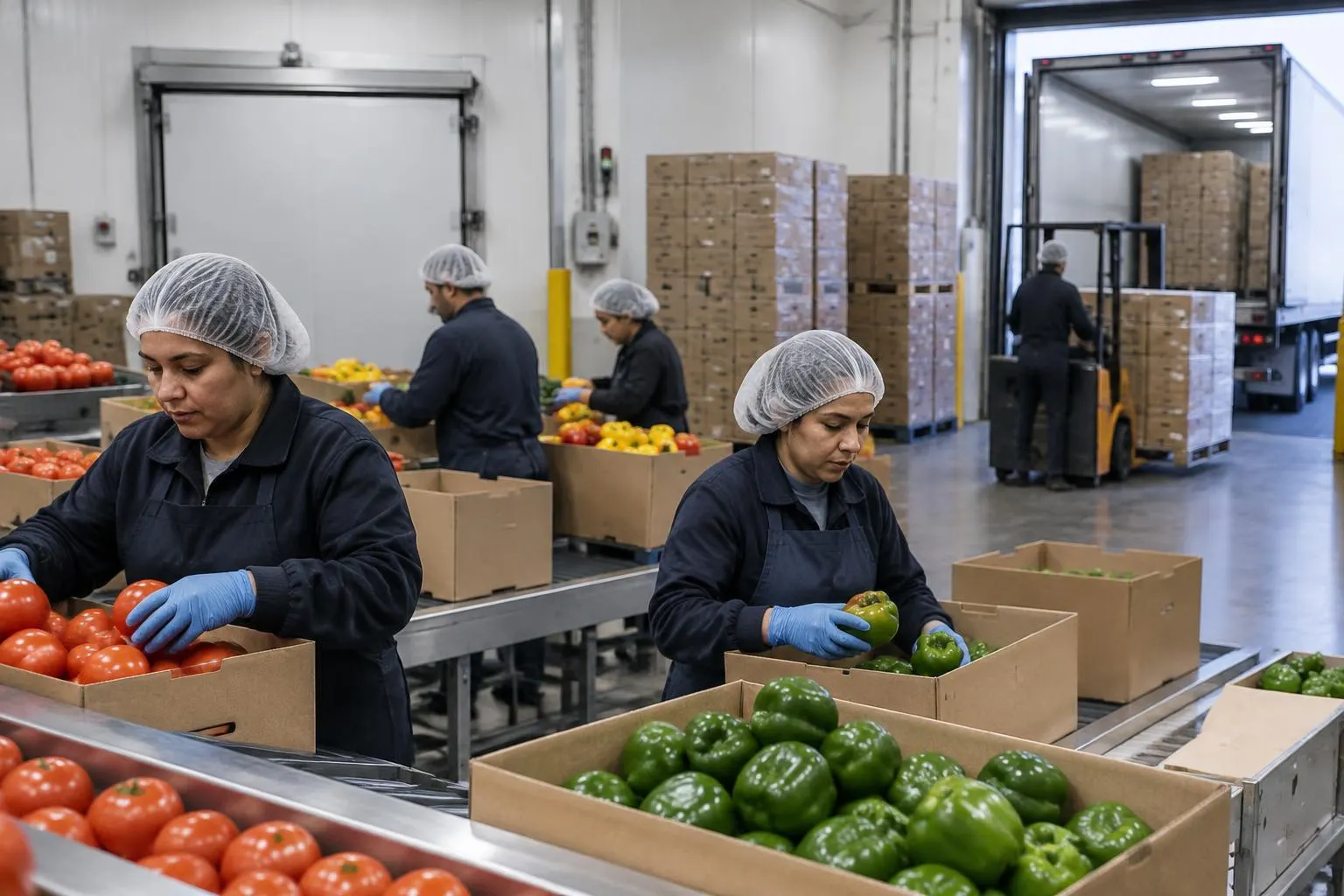
Illustration (AI-generated): grading, packing and cold chain — the stage where buyer specifications decide whether output can be sold. Step 7. Submit the brief through SeedMatch
When the brief is ready — or when you need help finishing it — send it as a project request.
- A sourcing specialist reviews the request and prepares the project brief with you.
- Suitable suppliers are researched only after the project is understood; supplier introductions are handled manually after project review.
- Quotes, clarifications and follow-up run through SeedMatch. Buyers and suppliers do not receive each other's direct contact details.
- There is no platform fee for buyers on standard sourcing services. Projects and orders start from USD 250,000.
Verify yourself: You remain the decision-maker: approve the brief, choose the supplier, and sign contracts after your own legal, technical and regulatory checks.
Useful next: How the procurement process worksHuman-led assisted sourcing
Ad-hoc buying vs a structured sourcing process
The difference is not the number of suppliers contacted but whether their answers can be compared and checked.
| Area | Ad-hoc buying | Structured sourcing |
|---|---|---|
| Requirement | Defined by the first supplier's catalogue | Written brief with specification, volumes, timing, destination and documents |
| Supplier choice | Whoever responds first or is already known | Screened short list scored on evidence, capacity and risk |
| Claims | Brochure statements accepted as facts | Each claim linked to a document, reference or test — or marked unverified |
| Price comparison | Headline totals on different scopes | Normalised scope, currency and delivery term; exclusions costed |
| Technology | Newest feature or lowest purchase price | Total cost of ownership, support and operational fit |
| Financing | Considered after the order is placed | Lender-ready pack prepared alongside the quotes; approval stays with the lender |
| After harvest | Market found once output exists | Grade, traceability, packing, cold chain and documents planned in the brief |
RFQ checklist for agricultural projects
Copy this list into your own brief or download it as a text file. Leave a field as "unknown" rather than guessing.
Project and site
- Crop(s), variety intent and production system
- Country, region and site location
- Area or capacity per phase
- Water source and latest water analysis
- Power connection and backup
- Permits already held or required
Scope and specification
- Items and systems to be quoted
- Performance requirements and applicable standards
- Installation, commissioning and training responsibilities
- Exclusions you already know about
Volumes, timing and delivery
- Quantities per lot or phase
- Required start and latest delivery dates
- Delivery point and Incoterms® rule to be quoted
- Packaging and labelling requirements
Quality, evidence and documents
- Certificates required (issuing body and validity)
- Test reports or samples required
- Phytosanitary, origin or import documents for the destination
- References from comparable projects
Commercial terms
- Currency and budget band
- Payment structure you can accept
- Warranty, spare parts and service response
- Acceptance criteria and remedies
Financing and market
- Whether financing will be requested
- Documents available for a lender pack
- Target buyers, grade and residue requirements
- Traceability, cold-chain and logistics plan
Educational checklist. Requirements depend on product, origin and destination; confirm them with the relevant authority or a qualified adviser.
Common mistakes
- Asking for prices before the brief exists, so every supplier quotes a different project.
- Comparing totals without costing exclusions, delivery terms and installation.
- Treating a supplier's listing, award or brochure as proof of certification.
- Choosing technology the site team cannot operate or get serviced locally.
- Assuming financing will follow once the order is signed.
- Leaving grade, packaging, cold chain and export documents until after the first harvest.
- Sharing a project with many suppliers directly and losing control of confidential information.
What SeedMatch does — and what it does not do
SeedMatch Group is the specialised commercial agriculture platform of Global B2B Group, its parent group. It works for buyers: it helps prepare the brief, researches suitable suppliers after reviewing the project, organises comparable quotes and manages follow-up. All communication runs through SeedMatch.
It does not manufacture, grow, lend, certify, inspect or give legal advice, and it does not guarantee price, savings, delivery, financing, sale or regulatory approval. Requirements differ by country and product; check them for your jurisdiction.
Frequently asked questions
What is a structured agricultural sourcing process?
It is a fixed order of steps: write the brief, screen suppliers against it, compare evidence and total cost, negotiate, check financing and plan the route to market. Its value is that every offer answers the same question and every claim is checked.
Is using a sourcing platform required?
No. Nothing requires a buyer to use a platform. It is most useful for complex, cross-border or high-value projects where your team lacks time or supplier reach. For simple re-orders from a known supplier it may add little.
Does SeedMatch guarantee the lowest price?
No. The goal is a price that fits your brief and the available market evidence. Comparable quotes make negotiation better informed, but no process can guarantee savings.
Are suppliers on SeedMatch certified?
Not by SeedMatch. SeedMatch reviews documents that suppliers provide, but this is not independent certification. Ask for certificates and confirm them with the issuing body.
Can SeedMatch finance my project?
SeedMatch is not a lender. With your consent it can review a qualified project and share it with independent financing partners. Any financing depends on availability, due diligence, eligibility and the partner's approval.
Can SeedMatch help sell my produce?
Where output qualifies, SeedMatch can refer you to Global B2B Group's buyer-first marketplace or to its own managed marketplace. A referral or listing is not a guaranteed sale, buyer, price or export clearance.
What is the minimum project size?
SeedMatch handles commercial agricultural projects and orders from USD 250,000. There is no platform fee for buyers on standard sourcing services.
Free tools and guides for this framework
Ready to turn your project into a comparable brief?
Send your greenhouse, irrigation, seed, fertilizer or produce project as a request for quote. A sourcing specialist reviews it and comes back with questions before any supplier is approached.
Buying physical agricultural or food commodities rather than a project? Global B2B Group, SeedMatch Group's parent group, runs the buyer-first commodity marketplace. Visit Global B2B Group
Sources
Prepared by the SeedMatch Group editorial team from the platform's own process pages and these references, checked 24 October 2026. General guidance, not legal, financial or engineering advice.
- FAO — Good Agricultural Practices for greenhouse vegetable crops (Plant Production and Protection Paper 217, 2013)
- Codex Alimentarius — Guidelines list, incl. CXG 60-2006 Principles for traceability/product tracing
- IPPC — ISPM 12 Phytosanitary certificates
- International Chamber of Commerce — Incoterms® rules